
The manufacturing industry stands at a critical juncture. Traditional operations built on spreadsheets, manual processes, and isolated systems face mounting pressure from global competition, supply chain disruption, and rapidly changing customer demands. The path forward requires systematic progression through defined stages of digital maturity: a journey that transforms basic data collection into intelligent, interconnected smart factory operations.
This roadmap provides manufacturing leaders with a structured approach to advance IT maturity. Each stage builds upon previous investments while establishing foundations for future capabilities. Understanding this progression helps prioritize resources, manage risk, and deliver measurable value at every step.
Understanding Manufacturing IT Maturity Levels
Manufacturing organizations progress through five distinct digital maturity stages. Recognition of your current position enables strategic planning for advancement.
Level 1: Basic Digital Foundation
Operations rely heavily on manual processes and spreadsheet-based tracking. Data collection occurs sporadically, often requiring significant manual input. Systems operate in isolation with limited integration. Reporting happens monthly or quarterly using static documents.
Level 2: Connected Operations
Digital technologies integrate across key operational areas. Real-time data collection begins through sensors and automated systems. Basic analytics support decision-making processes. Departments start sharing information through connected platforms rather than email exchanges.
Level 3: Integrated Intelligence
Most operations achieve digitization with sophisticated data analytics driving decisions. AI and smart robotics enhance production capabilities. IoT networks provide comprehensive monitoring across facilities. Predictive maintenance replaces reactive approaches.

Level 4: Optimized Performance
Advanced analytics and machine learning optimize operations continuously. Digital twins model production scenarios before implementation. Supply chain integration extends beyond internal operations. Real-time optimization adjusts production parameters automatically.
Level 5: Autonomous Innovation
Technology embeds in every process with minimal human intervention required. Continuous innovation cycles driven by advanced analytics and AI. Self-healing systems anticipate and resolve issues before impact. Integration extends seamlessly across entire value chains.
Conducting Your Maturity Assessment
Begin your transformation journey with comprehensive evaluation across critical areas.
Technology Infrastructure Assessment
Evaluate current system integration levels and data architecture quality. Examine platform scalability potential and identify technical debt requiring resolution. Document existing connectivity between operational technology and information technology systems.
Process Digitization Review
Measure automation coverage across production and administrative functions. Assess workflow standardization levels and real-time monitoring capabilities. Identify manual processes creating bottlenecks or quality risks.
Data Analytics Capability Analysis
Review data quality standards and analytics maturity across departments. Evaluate how effectively insights drive operational decisions. Assess data governance frameworks and security measures protecting sensitive information.
Organizational Readiness Evaluation
Examine digital skills availability within current workforce. Assess change management capabilities and cultural alignment with transformation initiatives. Review training programs and knowledge transfer processes.
Building Your Strategic Roadmap
Develop structured implementation plans addressing immediate needs while establishing foundations for advanced capabilities.
Phase 1: Current State Documentation
Audit existing manufacturing processes, systems, and technologies comprehensively. Identify processes ready for immediate digitalization and document pain points across departments. Establish baseline metrics for measuring transformation progress.
Phase 2: Quick Win Implementation
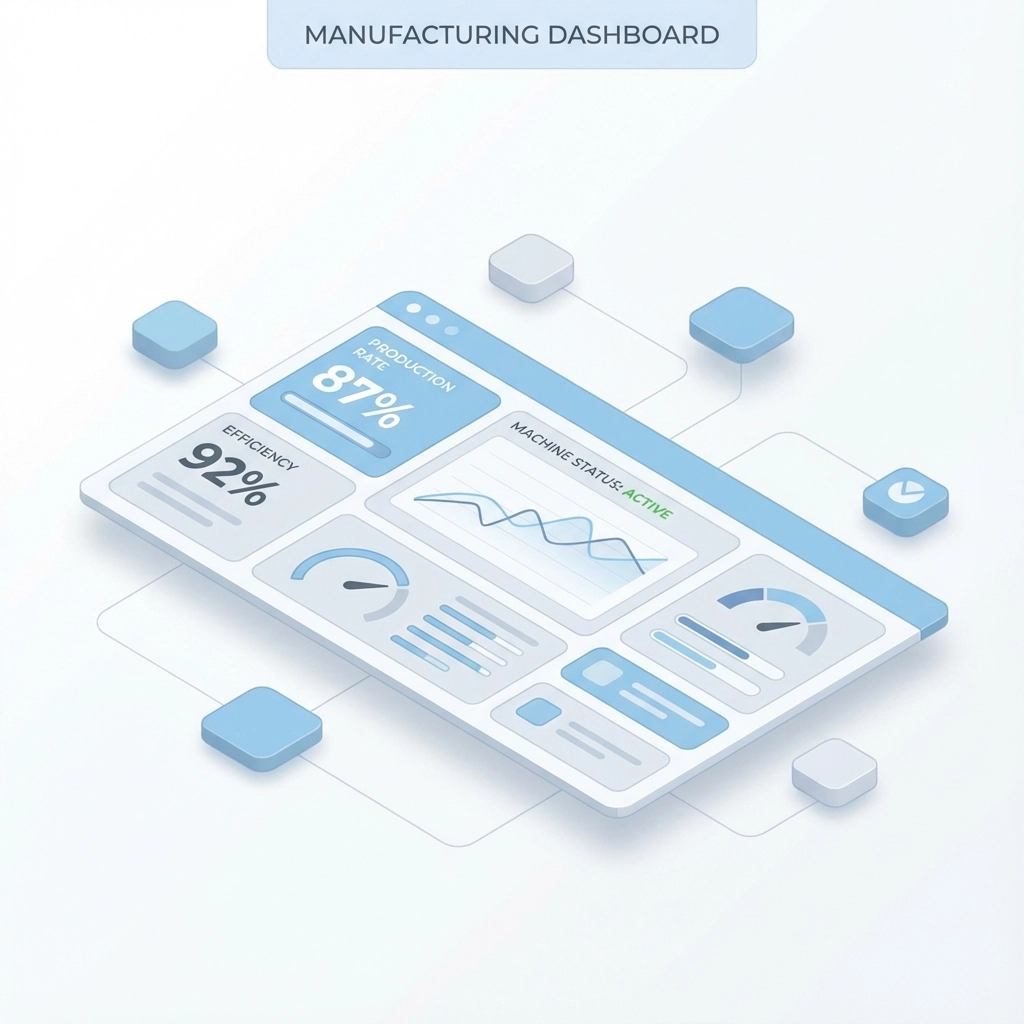
Start with immediate improvements delivering visible value. Automate manual data entry processes and connect fragmented systems. Introduce operational dashboards providing real-time visibility into production metrics.
Phase 3: Strategic Platform Development
Implement scalable platforms including Manufacturing Execution Systems, Product Lifecycle Management, and Statistical Process Control solutions. Ensure seamless integration across departments and external partners. Establish data standards supporting future analytics requirements.
Phase 4: Advanced Capability Integration
Deploy predictive analytics and machine learning algorithms optimizing production parameters. Implement IoT networks monitoring equipment health and energy consumption. Develop digital twin capabilities supporting scenario planning and optimization.
Stage-Specific Action Priorities
Tailor implementation activities to your organization's current maturity level for maximum effectiveness.
Organizations Starting Their Journey
Focus on standardizing data collection processes across all production areas. Automate basic manual entry tasks and implement regular audits identifying gaps in data capture. Train personnel on proper data collection techniques and establish quality control procedures.
Advancing Organizations
Integrate data across different systems into unified platforms providing holistic operational visibility. Expand data collection including machine health metrics, energy usage patterns, and quality measurements. Develop cross-functional teams bridging operational and analytical expertise.
Higher Maturity Operations
Develop structured corrective and preventive action processes with clear accountability frameworks. Establish feedback mechanisms monitoring effectiveness of implemented solutions. Foster collaboration between data analysts and operational teams for continuous improvement.
Digital-First Organizations
Explore emerging technologies including predictive modeling and advanced digital twin capabilities. Benchmark processes against industry leaders and implement best practices. Ensure data-driven decision-making embeds across all organizational levels.
The Fractional CIO Advantage
Manufacturing organizations often lack specialized IT leadership required for successful digital transformation. Fractional CIO services provide expert guidance without full-time executive overhead.
Strategic Planning Expertise
Experienced fractional CIOs understand manufacturing-specific technology challenges and opportunities. They develop realistic roadmaps balancing immediate needs with long-term strategic objectives. Their cross-industry experience accelerates decision-making and reduces implementation risks.
Vendor Management and Technology Selection
Navigate complex technology vendor landscapes with expert guidance. Fractional CIOs evaluate solutions based on manufacturing requirements rather than vendor marketing materials. They negotiate contracts protecting organizational interests and ensuring scalability.
Change Management and Training
Successful transformation requires more than technology implementation. Fractional CIOs develop change management strategies addressing cultural resistance and skills gaps. They design training programs ensuring workforce readiness for new technologies and processes.

Smart Factory Consulting Considerations
Advanced manufacturing requires specialized expertise in smart factory design and implementation. Professional consulting services accelerate transformation while reducing risks associated with complex technology integration.
Integration Planning Services
Smart factory consultants design integration architectures connecting operational technology with information systems. They develop communication protocols ensuring seamless data flow between production equipment and enterprise systems. Their expertise prevents costly integration failures and ensures scalability.
Security Framework Development
Connected manufacturing environments create new cybersecurity challenges requiring specialized solutions. Consultants develop security frameworks protecting operational technology from cyber threats while maintaining production efficiency. They implement monitoring systems detecting anomalous behavior before impact occurs.
Performance Optimization Support
Smart factory consulting includes ongoing optimization services maximizing return on technology investments. Consultants analyze production data identifying improvement opportunities and implement solutions delivering measurable results. They provide training ensuring internal teams can maintain and enhance optimized operations.
Implementation Success Factors
Achieve transformation objectives through systematic attention to critical success factors.
Executive Commitment and Communication
Ensure leadership demonstrates visible commitment to digital transformation initiatives. Communicate transformation benefits clearly across all organizational levels. Address concerns proactively and maintain transparency throughout implementation processes.
Cross-Functional Collaboration
Break down departmental silos preventing effective collaboration. Establish cross-functional teams with clear responsibilities and accountability structures. Implement communication protocols ensuring information sharing and coordinated decision-making.
Continuous Learning and Adaptation
Maintain flexibility adapting plans based on implementation experience and changing requirements. Invest in continuous learning programs keeping teams current with emerging technologies. Establish feedback mechanisms enabling rapid response to challenges and opportunities.
The journey from spreadsheets to smart factories requires systematic progression through defined maturity stages. Success depends on realistic assessment, strategic planning, and expert guidance addressing manufacturing-specific challenges. Organizations investing in structured transformation approaches achieve sustainable competitive advantages while building foundations for continued innovation and growth.
Ready to accelerate your manufacturing IT transformation? Contact Bailey & Associates to explore how our smart factory consulting and fractional CIO services can guide your organization through each stage of digital maturity advancement.
