
Manufacturing companies face an unprecedented wave of regulatory changes in 2026. From FDA Quality Management System Regulations to expanding sustainability requirements, the compliance landscape shifts faster than most internal IT teams can adapt. This regulatory whiplash creates a perfect storm where traditional IT leadership struggles to keep pace with evolving requirements.
Fractional CIO manufacturing services offer a strategic solution. These experienced IT leaders bring specialized knowledge of manufacturing compliance without the overhead of a full-time executive. They understand both the technical infrastructure needed for compliance and the operational realities of manufacturing environments.
The 2026 Compliance Challenge Landscape
Manufacturing companies now navigate multiple regulatory domains simultaneously. The FDA's Quality Management System Regulation becomes enforceable on February 2, 2026, requiring enhanced data integrity and process validation systems. New audit standards demand more sophisticated risk documentation and quality review processes.
Sustainability regulations add another layer of complexity. Extended Producer Responsibility requirements expand to seven states in 2026, while EU Digital Product Passport initiatives require detailed supply chain tracking. PFAS restrictions continue expanding across jurisdictions.
These regulations share a common thread: they require integrated IT systems that can track, document, and report across multiple operational areas. Manufacturing companies that rely on disconnected systems face significant compliance risks.

Why Traditional IT Leadership Falls Short
Most manufacturing IT teams excel at keeping production systems running. However, compliance requires a different skillset. Internal IT leaders often lack experience with regulatory frameworks, audit requirements, and the specialized software solutions needed for compliance management.
The regulatory compliance burden costs approximately $20,000 per employee annually across manufacturing sectors. This investment demands strategic IT leadership that can maximize compliance ROI while minimizing operational disruption.
Traditional IT hiring timelines cannot match the pace of regulatory change. Finding, hiring, and onboarding a full-time CIO with manufacturing compliance expertise takes months. By then, regulatory deadlines may have passed or compliance gaps may have widened.
How Fractional CIOs Address Manufacturing Compliance
Fractional CIO manufacturing professionals bring immediate expertise to compliance challenges. They assess current IT infrastructure against upcoming regulatory requirements and develop implementation roadmaps that align with business objectives.
These leaders understand that effective compliance depends on integrated operational systems rather than scattered compliance tools. They focus on creating unified data models that connect quality management, operations, and engineering systems.
Fractional CIOs also bring vendor-neutral perspectives to compliance technology decisions. They evaluate solutions based on regulatory effectiveness rather than internal politics or existing vendor relationships.
Compliance Infrastructure Assessment
Fractional CIOs begin with comprehensive infrastructure assessments that map current systems against regulatory requirements. They identify gaps in data integrity, process documentation, and audit trail capabilities.
This assessment covers critical areas including batch record management, supplier qualification systems, corrective and preventive action tracking, and process validation documentation. Each area receives evaluation against specific regulatory standards.
The assessment also examines data flow between systems. Regulatory compliance often fails at system integration points where data quality degrades or audit trails break.

Strategic Vendor Management for Compliance
Manufacturing IT vendor management becomes critical when compliance requirements change rapidly. Fractional CIOs bring experience managing vendor relationships across multiple regulatory domains.
They evaluate vendor compliance capabilities before selection. This includes assessing vendor audit readiness, data security practices, and regulatory update processes. Vendors must demonstrate ability to adapt to changing requirements without major system overhauls.
Fractional CIOs also negotiate vendor contracts that include compliance support requirements. These contracts specify vendor responsibilities for regulatory updates, audit support, and data management standards.
Vendor Risk Assessment Framework
Effective vendor management requires structured risk assessment processes. Fractional CIOs implement frameworks that evaluate vendors across multiple risk dimensions including regulatory compliance, data security, and business continuity.
These assessments include vendor financial stability reviews, since compliance system vendors must remain viable throughout multi-year regulatory cycles. Vendor failure during critical compliance periods creates significant operational risks.
Regular vendor performance reviews ensure ongoing compliance capability. These reviews assess vendor response to regulatory changes, system update delivery, and support quality during audit periods.
Digital Transformation for Compliance Readiness
Manufacturing digital transformation must align with compliance objectives. Fractional CIOs design transformation roadmaps that enhance both operational efficiency and regulatory readiness.
This approach prioritizes system integration over technology novelty. Connected systems that share data seamlessly support both operational excellence and compliance reporting requirements.
Fractional CIOs also ensure that digital transformation projects include compliance validation from the planning phase. This prevents costly retrofitting when regulatory requirements emerge after system implementation.
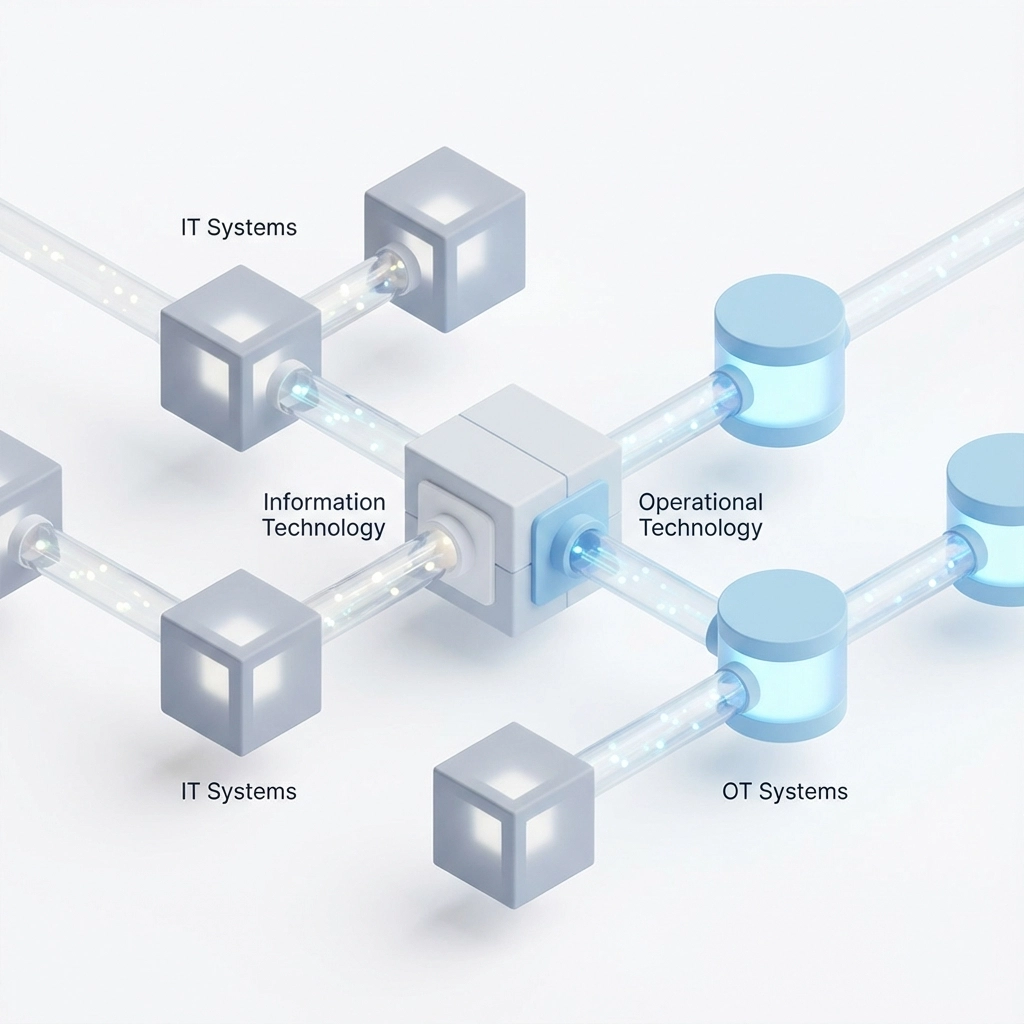
IT-OT Integration for Compliance
Manufacturing compliance increasingly requires integration between Information Technology (IT) and Operational Technology (OT) systems. Fractional CIOs bridge this traditional gap with integration strategies that maintain operational security while enabling compliance reporting.
This integration supports real-time visibility into batch records, process deviations, and quality metrics. Regulatory agencies expect manufacturers to provide detailed operational data during audits and investigations.
Effective IT-OT integration also enables predictive compliance monitoring. Systems can identify potential compliance issues before they become violations, allowing proactive remediation.
Building Compliance-Ready Data Architecture
Modern manufacturing compliance depends on robust data architecture that supports multiple regulatory frameworks. Fractional CIOs design data strategies that accommodate current requirements while preparing for future regulatory changes.
This includes implementing master data management systems that ensure consistent product, supplier, and process information across all compliance systems. Data quality issues often become compliance violations during regulatory audits.
Data architecture planning also addresses data retention and retrieval requirements. Different regulations specify varying retention periods and access requirements. Systems must accommodate these differences without creating operational complexity.
Audit Trail Management
Comprehensive audit trails form the foundation of manufacturing compliance. Fractional CIOs implement systems that automatically capture all relevant operational and quality data with appropriate timestamps and user attribution.
These systems must be tamper-resistant and provide clear documentation of any data modifications. Regulatory agencies scrutinize data integrity during audits, and inadequate audit trails often trigger expanded investigations.
Audit trail systems also need efficient search and reporting capabilities. During regulatory inspections, companies must quickly retrieve specific records spanning multiple time periods and operational areas.
Preparing for Continuous Regulatory Evolution
Regulatory requirements will continue evolving beyond 2026. Fractional CIOs build adaptive IT infrastructures that can accommodate new requirements without major system overhauls.
This includes selecting technology platforms with strong API capabilities and flexible data models. Systems that can integrate new compliance modules or reporting capabilities provide long-term regulatory flexibility.
Fractional CIOs also establish monitoring processes for emerging regulatory requirements. They track regulatory development across relevant jurisdictions and assess potential IT implications before requirements become final.
Getting Started with Fractional CIO Services
Manufacturing companies considering fractional CIO services should begin with compliance readiness assessments. These assessments identify immediate risks and opportunities while establishing baseline measurements for improvement tracking.
The assessment process typically takes 4-6 weeks and includes interviews with operational leaders, system documentation reviews, and gap analysis against current regulatory requirements.
Following assessment completion, fractional CIOs develop implementation roadmaps that prioritize high-impact compliance improvements while maintaining operational continuity.
Ready to address your manufacturing compliance challenges with expert IT leadership? Contact Bailey & Associates to discuss how our fractional CIO services can help your organization stay ahead of regulatory requirements while optimizing operational performance.
Related Service: Fractional CIO/IT Director — Learn how Bailey Associates can help your manufacturing business.
