
Your factory floor is generating mountains of data every second. Your ERP system holds crucial business intelligence. Your quality management system tracks critical metrics. Yet somehow, when you need answers fast, you're still waiting hours for someone to manually pull reports from three different systems just to understand what happened yesterday.
This isn't just frustrating: it's expensive. Manufacturing companies lose an average of 20-30% of their potential efficiency gains because their IT and OT systems can't talk to each other properly. When your operational technology (OT) on the shop floor operates in isolation from your information technology (IT) systems in the office, you're essentially flying blind in a competitive market that demands split-second decisions.
The Hidden Cost of Manufacturing Data Silos
Data silos don't just slow you down: they actively drain your bottom line in ways that often go unnoticed until it's too late.
Decision-Making Delays Kill Opportunities
When production issues arise, your teams waste precious hours manually gathering data from disconnected systems. Your ERP holds order information, your MES tracks production status, and your quality system logs defects: but none of them communicate. By the time you piece together what's actually happening, the opportunity to prevent problems has passed.
Operational Blind Spots Create Waste
Without real-time visibility across your entire operation, you're constantly reacting to problems instead of preventing them. Quality issues that could be caught early cascade into expensive rework. Equipment maintenance becomes reactive rather than predictive. Inventory decisions get made with incomplete information, leading to costly overstock or devastating stockouts.

Revenue Opportunities Slip Away
When your customer data sits isolated in your CRM while production capacity information lives in your MES, you can't quickly respond to rush orders or optimize your product mix for maximum profitability. Your sales team can't access real production timelines, and your production team can't see upcoming demand spikes.
Understanding the IT-OT Integration Challenge
The gap between Information Technology (IT) and Operational Technology (OT) in manufacturing isn't just technical: it's cultural and strategic. Your IT systems focus on business processes, data analysis, and connectivity. Your OT systems prioritize real-time control, safety, and reliability.
Traditional manufacturing IT strategy treated these as separate worlds. IT handled business applications while OT managed production equipment. This approach worked when factories were simpler and markets moved slower. Today's competitive landscape demands a unified approach that connects every piece of your operation.
Smart factory consulting isn't about throwing technology at problems: it's about creating an integrated ecosystem where data flows seamlessly from sensor to C-suite, enabling faster decisions and better outcomes.
The 5-Step IT-OT Integration Planning Framework
Step 1: Assess Your Current State
Start with a comprehensive audit of your existing systems and data flows. Map every system that generates, processes, or consumes data in your operation. Include obvious players like ERP, MES, and SCADA systems, but don't forget the hidden data generators: quality management systems, maintenance management tools, and even spreadsheets that critical processes depend on.
Document how data currently moves between systems. You'll likely discover manual processes, duplicate data entry, and informal workarounds that have evolved over time. This baseline assessment reveals both your biggest pain points and your greatest opportunities.
Pay special attention to data timing and accuracy. Real-time data from your production floor loses value if it takes hours to reach decision-makers. Identify where delays occur and what causes them.
Step 2: Define Integration Objectives and Metrics
Clear objectives drive successful IT-OT integration planning. Define specific, measurable outcomes you want to achieve. Common manufacturing digital transformation goals include:
- Reducing decision-making time from hours to minutes
- Increasing overall equipment effectiveness (OEE) by specific percentages
- Decreasing quality defects through faster issue detection
- Improving inventory turns through better demand visibility
- Enabling predictive maintenance to reduce unplanned downtime
Establish baseline metrics for each objective. You can't improve what you can't measure, and you need concrete data to demonstrate ROI to stakeholders who control integration budgets.
Step 3: Design Your Data Architecture
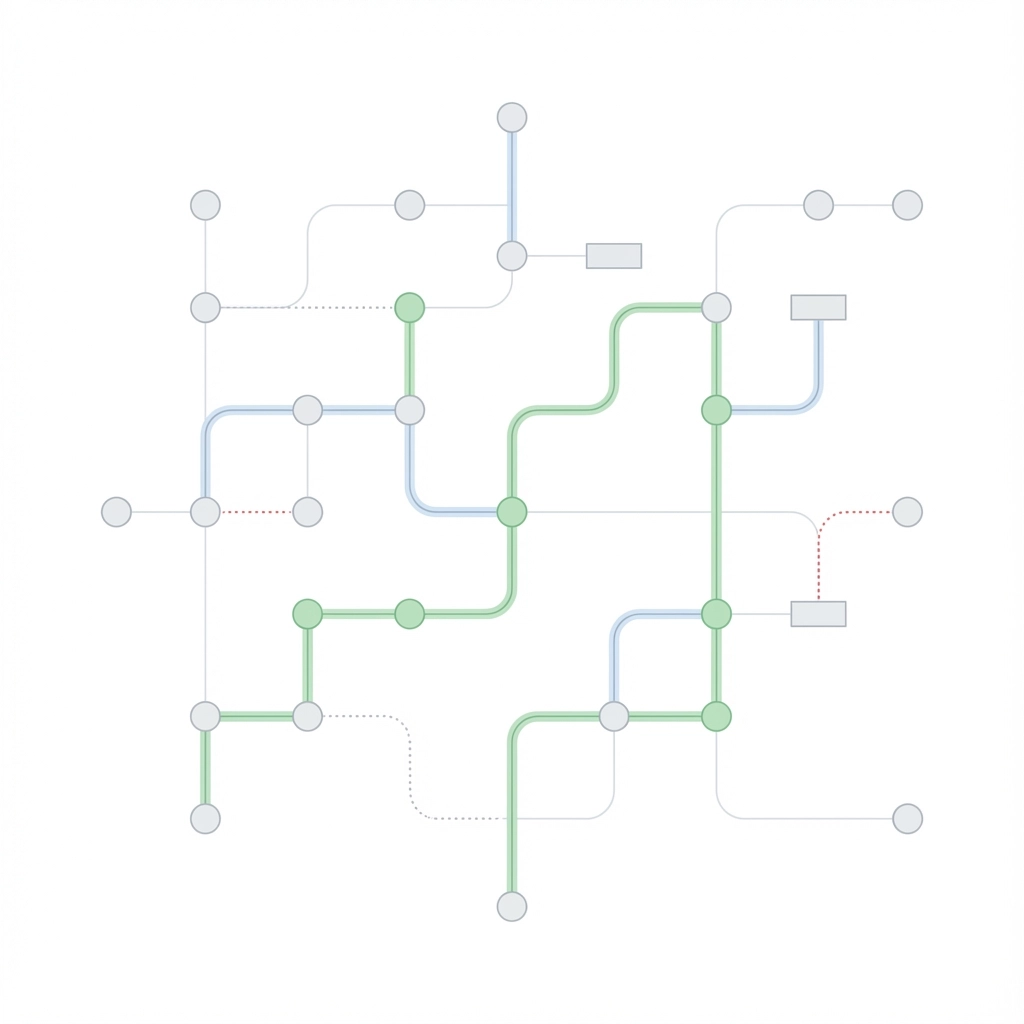
Successful integration requires thoughtful data architecture that balances real-time needs with analytical requirements. Design systems that collect data once and make it available everywhere it's needed.
Consider implementing a manufacturing data platform that serves as a central hub for all your operational data. This platform should normalize data from different sources, apply consistent timestamps, and maintain data quality standards across your organization.
Plan for both real-time operational needs and historical analytical requirements. Production managers need live dashboards showing current status. Quality engineers need trend analysis over weeks and months. Financial managers need accurate cost rollups that combine labor, materials, and overhead data from multiple sources.
Security and access control become critical when you're connecting previously isolated systems. Design role-based access that gives people the data they need while protecting sensitive information.
Step 4: Implement Phased Integration
Don't try to integrate everything at once. Successful manufacturing IT vendor management includes phased approaches that deliver quick wins while building toward comprehensive integration.
Start with your most critical data flows: typically quality data that impacts customer shipments or production data that affects delivery commitments. These high-impact, high-visibility integrations demonstrate value quickly and build organizational support for broader integration efforts.
Each phase should include thorough testing in non-production environments before going live. Manufacturing operations can't afford system failures, so validation becomes essential. Test not just technical functionality but also user workflows and emergency procedures.
Plan for training and change management throughout implementation. Your operators, engineers, and managers need to understand new processes and feel confident using integrated systems.
Step 5: Establish Governance and Continuous Improvement
Integration isn't a one-time project: it's an ongoing capability that requires dedicated governance. Establish clear ownership for data quality, system performance, and integration roadmaps.
Create regular review processes that assess integration effectiveness against your defined objectives. Monitor system performance, data quality metrics, and user satisfaction. Address issues quickly before they impact operations.
Plan for system evolution as your business needs change. New equipment, process improvements, and business growth will require integration updates. Build flexibility into your architecture and governance processes.
Overcoming Common Integration Challenges
Legacy System Limitations
Many manufacturing companies struggle with legacy systems that weren't designed for integration. Work with experienced ERP consulting manufacturing experts who understand how to connect older systems safely and effectively. Sometimes the right answer involves strategic system upgrades rather than complex integration workarounds.
Network Security Concerns
Connecting OT and IT networks raises legitimate security concerns. Implement proper network segmentation, access controls, and monitoring to protect critical production systems while enabling necessary data flows.
Organizational Resistance
IT-OT integration often challenges existing departmental boundaries and workflows. Address resistance through clear communication about benefits, comprehensive training, and involving key users in design decisions.
The Role of Fractional CIO Manufacturing Expertise
Many mid-sized manufacturing companies lack the internal expertise to plan and execute comprehensive IT-OT integration. Fractional CIO manufacturing services provide senior-level strategic guidance without the cost of a full-time executive.
An experienced fractional CIO brings industry knowledge, vendor relationships, and proven methodologies that accelerate your integration timeline while avoiding common pitfalls. They can assess your current state objectively, design integration architecture appropriate for your scale, and manage vendor relationships effectively.
Measuring Integration Success
Track both operational and financial metrics to demonstrate integration value:
Operational Metrics:
- Time from problem detection to resolution
- Data accuracy across integrated systems
- User adoption rates for new integrated workflows
- System uptime and performance
Financial Metrics:
- Cost reduction from eliminated manual processes
- Revenue improvement from faster decision-making
- Quality cost reduction from earlier problem detection
- Inventory optimization savings
Next Steps for Your Integration Journey
Start with an honest assessment of your current IT-OT integration maturity. Most manufacturing companies discover they're further behind than they realized, but also identify more opportunities than they expected.
Consider engaging experienced IT consulting professionals who understand both manufacturing operations and modern integration technologies. The right guidance early in your planning process prevents costly mistakes and accelerates your path to integrated operations.
Your competitors are already working on their integration strategies. The question isn't whether you'll eventually integrate your IT and OT systems: it's whether you'll lead or follow in your market.
The time for isolated systems and manual data gathering is over. Your profits depend on breaking down the silos that separate your operational technology from your business systems. Start your IT-OT integration planning today, and transform those data silos from profit drains into competitive advantages.
Related Service: IT-OT Integration & Industry 4.0 — Learn how Bailey Associates can help your manufacturing business.
