
Legacy systems in manufacturing create operational bottlenecks, security vulnerabilities, and competitive disadvantages. Many manufacturers struggle with aging ERP systems, outdated production software, and disconnected data silos that prevent digital transformation progress.
A fractional CIO provides strategic IT leadership without the cost of a full-time executive. This approach delivers expert guidance for modernizing legacy infrastructure while maintaining operational continuity.
Assess Your Current Technology Landscape
Start with a comprehensive technology audit. Document all existing systems, their age, integration capabilities, and business dependencies. Identify which legacy systems pose the greatest operational or competitive risks.
Map data flows between systems to understand integration challenges. Note where manual processes compensate for system limitations. Document security vulnerabilities in aging software that no longer receives vendor support.
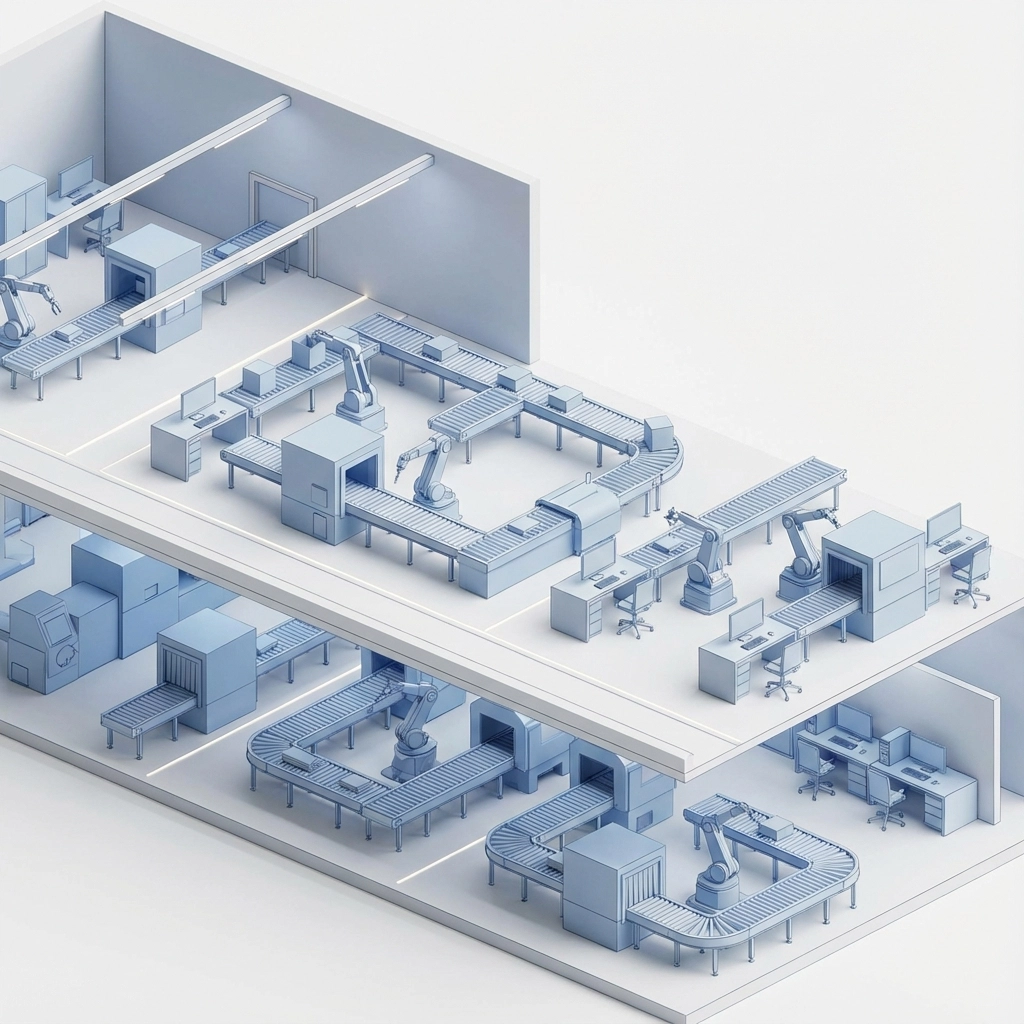
Evaluate your current technology maturity level. Compare your systems against industry benchmarks for manufacturing IT infrastructure. This assessment forms the foundation for your modernization roadmap.
Develop a Phased Modernization Strategy
Create a structured approach that prioritizes systems based on business impact and technical risk. Focus on quick wins that deliver immediate value while planning longer-term transformational changes.
Identify systems that can be modernized incrementally versus those requiring complete replacement. Plan migration sequences that minimize production disruption and maintain data integrity throughout transitions.
Establish clear success metrics for each phase. Define measurable outcomes such as reduced downtime, improved data accuracy, enhanced security posture, and operational cost savings.
Address Budget and Cost Optimization
Analyze your current IT spending to identify inefficiencies and redundancies. Many manufacturers achieve 20-40% reductions in IT operating costs through strategic vendor consolidation and system optimization.
Perform cost-benefit analysis on modernization investments. Prioritize projects with clear ROI and business justification. Consider total cost of ownership, including ongoing maintenance, training, and operational expenses.
Negotiate vendor agreements strategically. Leverage modernization projects to consolidate suppliers and improve contract terms. Establish performance benchmarks that align vendor incentives with your business outcomes.
Build Internal IT Capabilities
Implement targeted training programs for your existing IT teams. Focus skill development on cloud computing, data analytics, cybersecurity, and agile methodologies needed for modern manufacturing environments.
Establish governance frameworks that standardize processes while maintaining flexibility for future technology adoption. Create documentation standards, change management procedures, and performance monitoring protocols.
Develop internal expertise gradually rather than relying entirely on external vendors. This approach reduces long-term operational costs and improves your ability to adapt to changing business requirements.
Secure Systems During Transition
Address cybersecurity risks proactively during modernization. Legacy systems often lack adequate security controls and may create vulnerabilities during migration periods.
Create comprehensive data backup strategies before beginning system transitions. Establish incident response plans specific to modernization activities. Test disaster recovery procedures to ensure business continuity protection.
Implement security controls that span both legacy and modern systems during transition periods. Monitor network traffic and access patterns to detect potential security incidents early.

Integrate Manufacturing Operations Technology
Bridge the gap between IT and operational technology (OT) systems. Manufacturing environments require specialized consideration for production control systems, SCADA networks, and real-time data requirements.
Plan integration strategies that maintain production reliability while enabling data sharing between business and operational systems. Consider network segregation approaches that improve security without limiting necessary connectivity.
Establish data governance policies that address both business intelligence needs and operational control requirements. Create standardized data formats and communication protocols that support future scalability.
Implement Modern ERP and Manufacturing Systems
Replace aging ERP systems with modern platforms designed for manufacturing environments. Focus on solutions that support real-time production data, supply chain integration, and regulatory compliance requirements.
Migrate manufacturing execution systems (MES) to platforms that integrate seamlessly with modern ERP and business intelligence tools. Plan data migration carefully to preserve historical production records and maintain traceability.
Configure new systems to support lean manufacturing principles, predictive maintenance capabilities, and quality management processes. Ensure compliance with industry-specific regulations throughout implementation.
Leverage Cloud and Hybrid Infrastructure
Evaluate cloud migration opportunities for appropriate workloads. Manufacturing systems often require hybrid approaches that maintain on-premises control for critical operations while leveraging cloud scalability for analytics and collaboration.
Implement disaster recovery capabilities using cloud infrastructure. This approach often provides more reliable and cost-effective protection compared to traditional backup systems.
Consider edge computing solutions for real-time manufacturing data processing. Balance cloud connectivity with local processing requirements for production-critical applications.
Establish Ongoing Technology Management
Create vendor management processes that maintain competitive leverage and ensure consistent service delivery. Regular performance reviews and contract optimization protect against vendor lock-in while maintaining service quality.
Implement change management procedures that accommodate both planned upgrades and emergency system changes. Establish testing protocols that verify system compatibility before implementing updates.
Monitor system performance continuously using modern monitoring tools and dashboards. Track key performance indicators that align IT metrics with manufacturing business objectives.
Measure Modernization Success
Track quantifiable improvements in operational efficiency, data accuracy, and system reliability. Document cost savings achieved through vendor consolidation, reduced maintenance expenses, and improved operational productivity.
Monitor cybersecurity improvements through reduced incident frequency, faster threat detection, and improved compliance posture. Measure business agility improvements through faster implementation of new capabilities and improved responsiveness to market changes.
Assess team capability development through certification achievements, reduced dependency on external support, and successful completion of internal technology projects.

Plan for Future Technology Adoption
Prepare infrastructure for emerging technologies such as artificial intelligence, machine learning, and advanced analytics. Ensure data quality and accessibility support these future capabilities.
Establish governance frameworks that can adapt to evolving technology landscapes while maintaining operational stability. Create evaluation processes for emerging technologies that consider manufacturing-specific requirements.
Maintain flexibility in vendor relationships and system architectures to accommodate future business requirements and technology opportunities.
Take Action on Your Manufacturing IT Strategy
Legacy system modernization requires strategic planning, careful execution, and ongoing management. A fractional CIO provides the expertise and objectivity needed to navigate complex technology transitions while maintaining operational continuity.
Start with a comprehensive assessment of your current technology landscape. Develop a phased modernization plan that balances quick wins with long-term strategic improvements. Focus on building internal capabilities while leveraging external expertise strategically.
Ready to futureproof your manufacturing IT infrastructure? Contact Bailey & Associates to discuss how fractional CIO services can accelerate your digital transformation while optimizing IT investments and reducing operational risks.
Related Service: ERP & Digital Transformation Strategy — Learn how Bailey Associates can help your manufacturing business.
