
Cloud costs are spiraling out of control for most businesses. You provision resources for peak demand, forget about idle environments, and watch your monthly bills climb without understanding where the money goes. Virtual IT directors have developed systematic approaches to cut through this waste and achieve 30% cost reductions without sacrificing performance.
The key lies in implementing multiple optimization strategies simultaneously. Organizations that combine these five proven techniques consistently achieve 20-40% savings while maintaining or improving their cloud infrastructure performance.
1. Deploy AI-Powered Cost Intelligence and Automation
Stop relying on monthly cost reports that arrive too late to prevent overspend. Virtual IT directors implement AI-powered monitoring systems that analyze consumption patterns in real-time and automatically optimize workloads based on cost and performance metrics.
These systems shift your approach from reactive cost reporting to predictive cost governance. AI tools continuously track resource usage, detect anomalies before they become expensive problems, and automatically schedule workloads during lower-cost periods.

The automation element eliminates human error and removes the burden of manual optimization from your team. Set up policies that automatically scale resources based on demand patterns, schedule non-critical workloads during off-peak hours, and alert administrators when usage deviates from established baselines.
This approach typically delivers 15-25% cost reductions while maintaining performance standards. The savings compound over time as the AI learns your specific usage patterns and becomes more efficient at predicting and preventing waste.
2. Eliminate Idle and Forgotten Resources
Audit your environment to identify resources that consume budget without delivering value. Development, staging, and testing environments often run continuously even though teams only use them during business hours. Temporary resources created for specific projects frequently remain active long after completion.
Start with a comprehensive inventory of all cloud resources across your organization. Tag resources with project codes, owners, and intended lifecycle duration. Implement automated alerts that notify administrators when resources exceed their planned lifetime or remain idle for extended periods.
Create policies for automatic shutdown of non-production environments outside working hours. Most development and testing environments can safely shut down evenings and weekends, immediately reducing costs by 60-70% for these resources without affecting productivity.
Review storage volumes, load balancers, and networking components that may be attached to decommissioned applications. These orphaned resources often persist after their parent applications are removed, continuing to generate charges indefinitely.
3. Implement Autoscaling and Right-Sizing
Most organizations over-provision resources to handle peak demand, paying for idle capacity during normal operations. Autoscaling automatically adjusts compute resources based on actual demand rather than worst-case scenarios.
Configure autoscaling policies that match your application requirements. Use aggressive scaling for development environments where brief delays are acceptable, and conservative settings for production systems where performance consistency is critical.
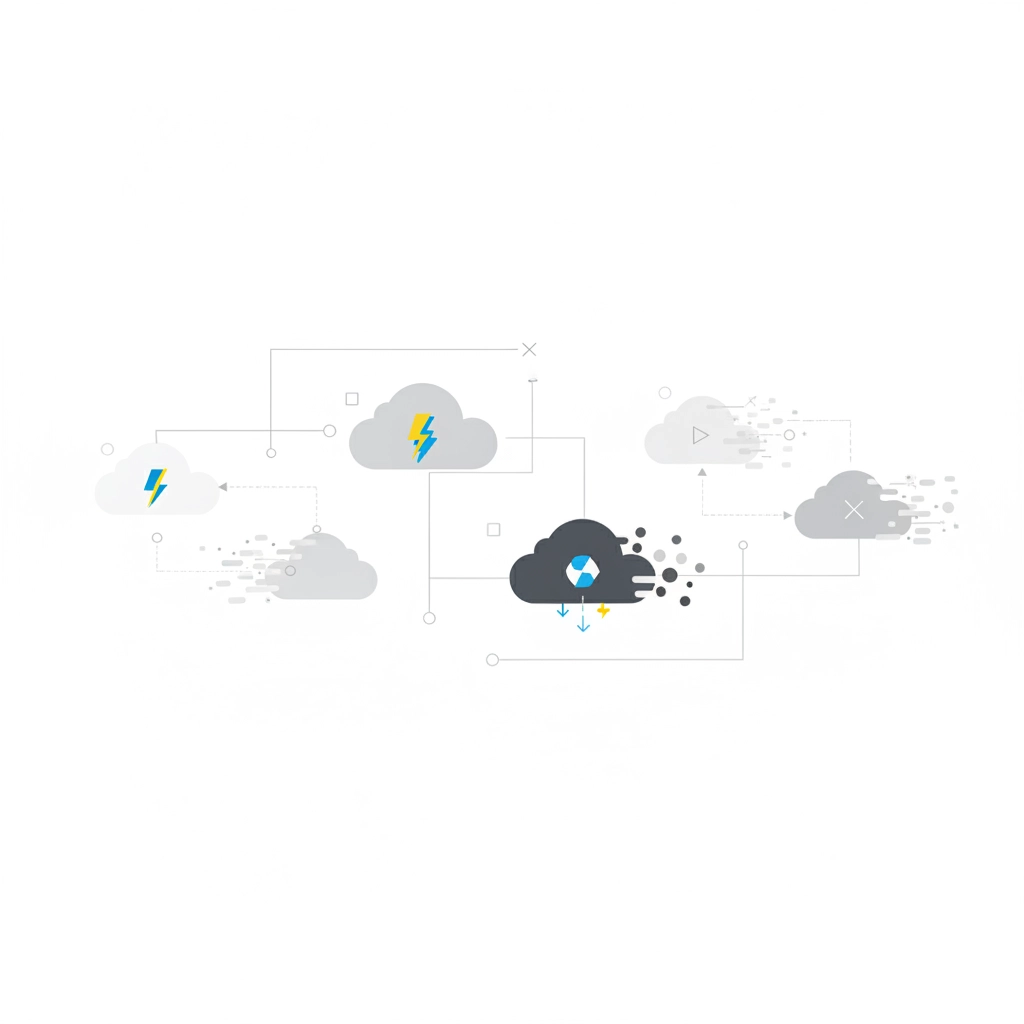
Right-sizing complements autoscaling by ensuring base resource allocation matches actual usage patterns. Analyze CPU, memory, and storage utilization over time to identify oversized instances. Many organizations discover they can reduce instance sizes by 20-40% without affecting performance.
Monitor application performance during optimization to ensure cost reductions don't compromise user experience. Use gradual scaling approaches that test performance at each step, allowing you to find the optimal balance between cost and performance.
4. Optimize Data and Storage Costs
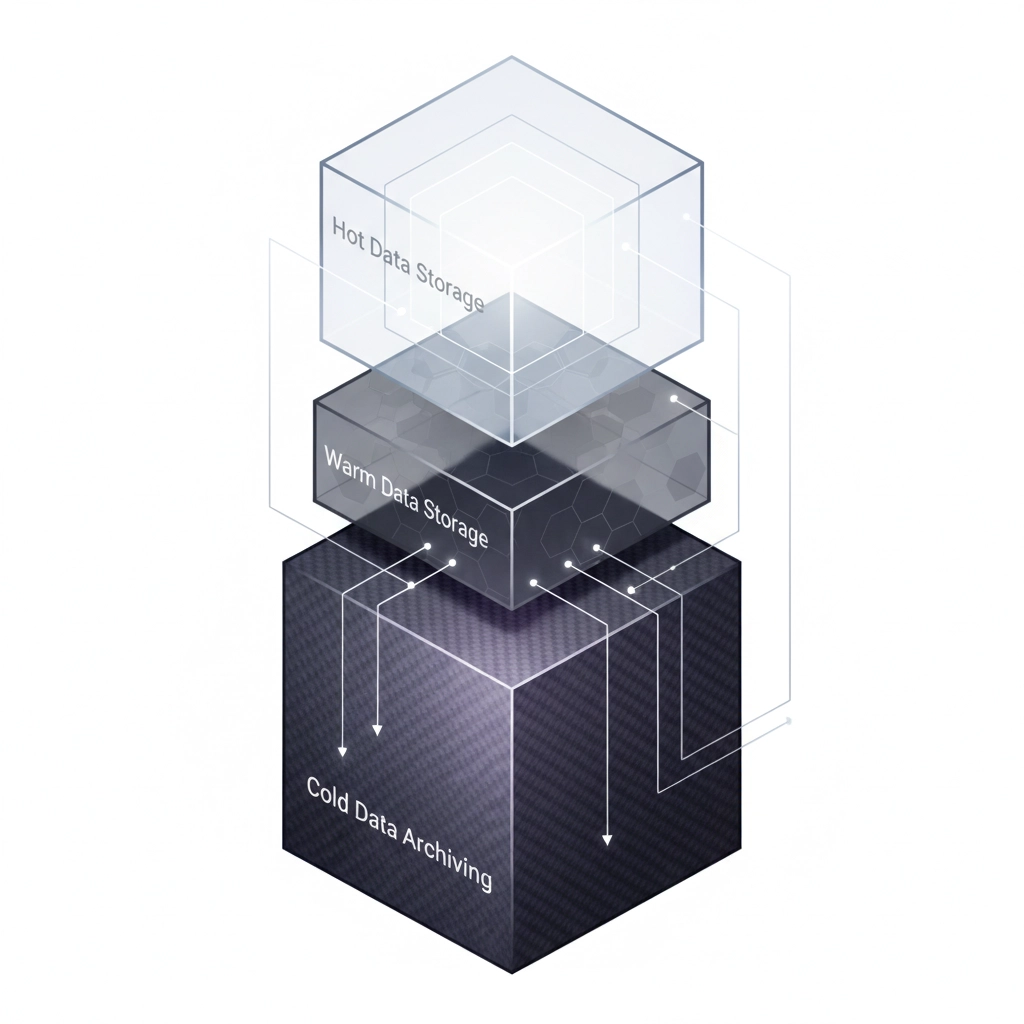
Storage and data transfer represent significant expenses that often escape optimization efforts. Implement lifecycle policies that automatically move infrequently accessed data to lower-cost storage tiers based on age and access patterns.
Review logging and monitoring configurations to eliminate unnecessary data ingestion. Development environments often use the same verbose logging as production systems, generating large volumes of data that provide minimal value. Adjust log levels and retention policies to capture essential information without excessive costs.
Minimize cross-region data transfers and egress charges by strategically placing resources closer to users and dependent services. Review data flow patterns to identify opportunities for regional optimization without affecting performance.

Implement data compression and deduplication where possible. Many backup and archival systems can achieve 50-80% storage reductions through compression without affecting data integrity or accessibility.
5. Use Committed Pricing and Multi-Cloud Cost Management
Reserved instances and savings plans provide substantial discounts for predictable workloads. Analyze your usage patterns over 6-12 months to identify steady-state capacity that qualifies for commitment pricing.
Purchase reserved capacity for baseline requirements while using on-demand pricing for variable loads. This hybrid approach captures discount benefits without over-committing to capacity you may not need.
Spot instances offer 50-80% cost reductions for flexible, non-critical workloads. Use spot capacity for batch processing, development environments, and other applications that can tolerate interruptions.
For organizations using multiple cloud providers, implement unified cost management platforms that provide holistic visibility across all environments. Standardize tagging policies, coordinate discount strategies, and enable intelligent workload placement based on cost and performance requirements.
Multi-cloud cost management can reduce total expenses by an additional 10-20% while reducing vendor lock-in risks. The key is maintaining consistent monitoring and optimization practices across all cloud environments rather than managing each provider separately.
Implementation Strategy
Begin with resource auditing and idle elimination for immediate impact. These changes require minimal technical risk while delivering quick wins that demonstrate value to stakeholders.
Implement monitoring and automation tools to establish ongoing visibility and control. Choose solutions that integrate with your existing cloud providers and provide actionable insights rather than overwhelming dashboards.
Gradually introduce autoscaling and right-sizing for production workloads. Test changes in non-critical environments first, then apply successful configurations to production systems with appropriate monitoring and rollback procedures.
Optimize storage and data costs through policy implementation and architectural review. These changes often require coordination across multiple teams but deliver sustainable long-term savings.
Finally, implement commitment pricing strategies based on established usage patterns. Purchase reserved capacity only after stabilizing your environment through the previous optimization steps.
Measuring Success
Track both cost metrics and performance indicators to ensure optimization efforts deliver intended results. Monitor monthly cloud spend, resource utilization rates, and application performance metrics consistently.
Calculate cost per unit of business value rather than absolute spending amounts. Growing businesses should see cloud costs increase with revenue and usage while maintaining or improving efficiency ratios.
Document successful optimization approaches and share them across teams. Create playbooks that enable consistent implementation of proven cost optimization techniques for new projects and environments.
The combination of these five strategies enables virtual IT directors to achieve 30% or greater cost reductions while maintaining or improving infrastructure performance. Start with the techniques that match your organization's current capabilities and gradually expand your optimization program as you build expertise and demonstrate results.
Ready to implement these cost optimization strategies in your organization? Contact our virtual IT directors to develop a customized approach that matches your specific cloud environment and business requirements.
Related Service: Fractional CIO/IT Director — Learn how Bailey Associates can help your manufacturing business.
