
Small and medium businesses across the UK face an increasingly complex cybersecurity landscape. With 73% of UK SMBs planning to purchase or upgrade their cybersecurity solutions within the next 12 months, understanding your options becomes essential for business continuity and growth.
Understanding Your Cybersecurity Needs
Identify your business's specific vulnerabilities before selecting solutions. Most SMBs require protection across five core areas: email security, endpoint protection, network firewalls, mobile device management, and cloud application security.
Start by conducting a basic security assessment. Document your current IT infrastructure, including the number of devices, cloud services used, and data storage locations. This inventory forms the foundation for selecting appropriate cybersecurity solutions.
Consider your business size and growth plans. Solutions that work for a 10-person company may not scale effectively to 50 employees. Choose providers offering flexible, scalable options that grow with your business requirements.

Essential Security Components for UK SMBs
Email Protection Systems
Deploy advanced email filtering to block phishing attempts and malicious attachments. Modern email security solutions use AI-powered threat detection to identify sophisticated attacks that traditional spam filters miss.
Configure email encryption for sensitive communications. This protects client data and ensures compliance with UK data protection regulations. Most solutions integrate seamlessly with existing email platforms like Microsoft 365 or Google Workspace.
Endpoint Detection and Response
Install comprehensive endpoint protection on all business devices. This includes laptops, desktops, mobile phones, and tablets used for business purposes. Advanced solutions provide real-time monitoring and automatic threat response.
Enable automatic updates and patch management. Many cyberattacks exploit known vulnerabilities in outdated software. Automated systems ensure your devices receive critical security updates without disrupting business operations.
Network Security Infrastructure
Implement next-generation firewalls with intrusion prevention capabilities. These systems monitor network traffic for suspicious activity and block potential threats before they reach your internal systems.
Set up network segmentation to limit damage from potential breaches. Separate critical business systems from general user networks, reducing the impact of successful attacks on essential operations.
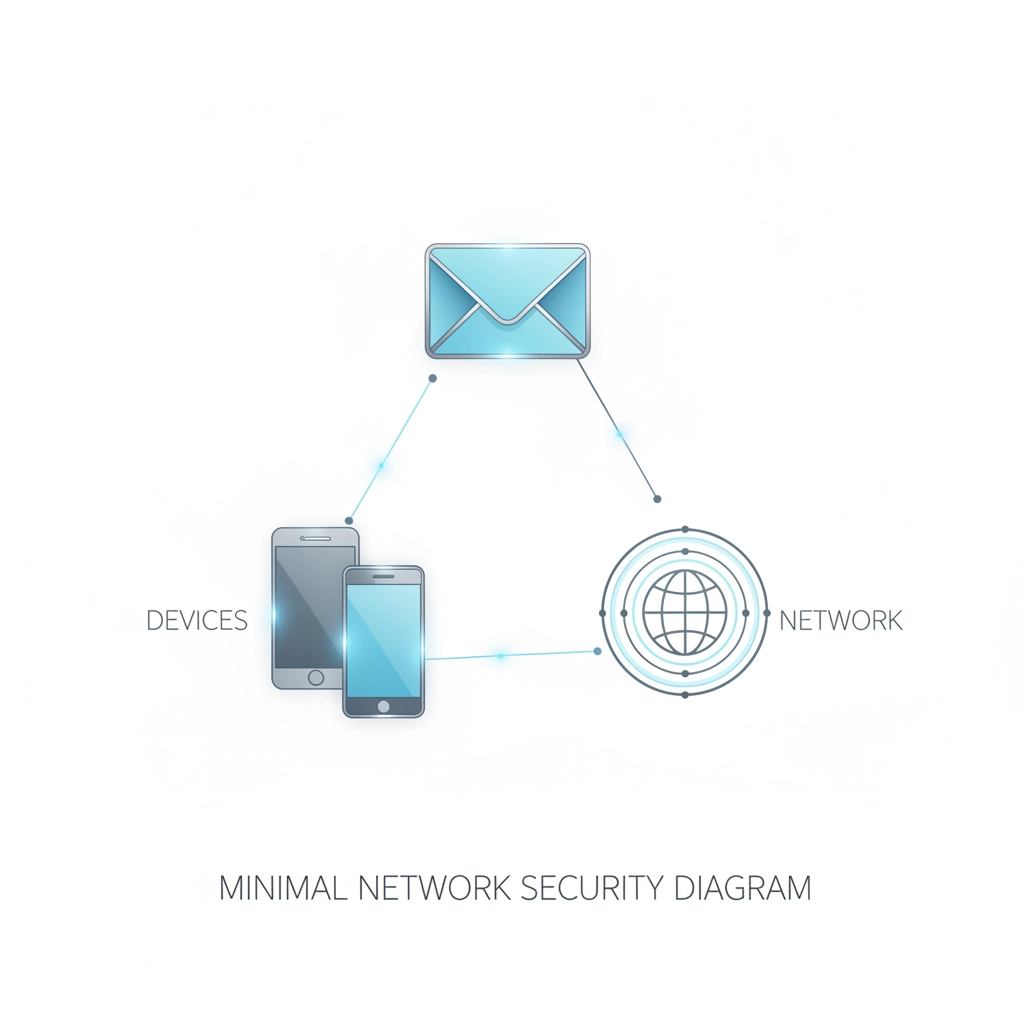
Available UK Cybersecurity Providers
Managed Service Providers
Consider partnered approaches with established UK providers. Companies like help4IT offer London-based cybersecurity assessments and advanced endpoint protection covering on-site, cloud, and remote work environments.
Evaluate 24/7 monitoring services from UK-based Security Operations Centres. Providers such as Communicate Technology's Encircle solution deliver fully managed installation and monitoring, allowing your team to focus on core business activities rather than security management.
Affordable Specialist Solutions
Explore cost-effective options designed specifically for SMBs. SME Cyber provides 24/7 monitoring and incident response at costs comparable to hiring junior staff members, making enterprise-grade security accessible to smaller businesses.
Review scalable solutions like Northdoor's partnership with Coro, offering enterprise-level protection starting from £5 per user monthly. These solutions deploy quickly and scale efficiently as your business grows.
Technology Platform Solutions
Assess integrated security within existing business platforms. Microsoft 365 Business Premium includes AI-powered ransomware protection, advanced email security, device management, identity protection, and data classification features.
Consider comprehensive solutions from established security firms like Bitdefender, offering flexible, scalable protection designed to grow with your business requirements and changing threat landscape.
Implementation Strategy
Phase 1: Immediate Protection
Begin with basic security fundamentals. Install reputable antivirus software, enable automatic updates, and implement strong password policies across all business accounts and systems.
Activate multi-factor authentication on all business-critical accounts. This simple step prevents approximately 99.9% of automated attacks targeting weak or compromised passwords.
Phase 2: Enhanced Monitoring
Deploy managed detection and response services. These solutions provide 24/7 monitoring without requiring internal security expertise or significant infrastructure investments.
Implement security awareness training for all staff members. Human error contributes to most successful cyberattacks, making employee education a critical component of comprehensive security strategies.

Phase 3: Advanced Protection
Integrate Security Information and Event Management systems for comprehensive threat visibility. Advanced solutions correlate security events across your entire IT infrastructure, identifying sophisticated attack patterns.
Deploy Identity Threat Detection and Response capabilities to protect against credential-based attacks. These systems monitor user behaviour patterns and detect suspicious activities indicating compromised accounts.
Compliance and Certification Requirements
Cyber Essentials Scheme
Pursue Cyber Essentials certification through the UK government's National Cyber Security Centre framework. This baseline certification prevents approximately 80% of common cyberattacks and provides significant business benefits.
Complete the five core security controls: boundary firewalls, secure configuration, access control, malware protection, and patch management. Certified companies report 92% fewer insurance claims and improved competitive positioning.
Industry-Specific Requirements
Review sector-specific compliance requirements affecting your business. Financial services, healthcare, and professional services sectors often have additional cybersecurity obligations beyond basic protections.
Ensure your chosen solutions support relevant compliance frameworks. Many providers offer specialized packages designed to meet specific industry requirements while maintaining cost-effectiveness for SMB operations.
Budget Planning and Cost Considerations
Monthly Service Costs
Budget for ongoing cybersecurity expenses as operational costs rather than one-time investments. Most comprehensive solutions range from £5-£50 per user monthly, depending on features and support levels required.
Compare total cost of ownership including setup fees, training costs, and ongoing support expenses. Some providers offer all-inclusive pricing that simplifies budgeting and reduces unexpected costs.
Return on Investment
Calculate potential savings from preventing security incidents. The average cost of a data breach for UK SMBs exceeds £25,000, making preventive cybersecurity measures highly cost-effective investments.
Factor in productivity improvements from reduced downtime and automated security processes. Well-designed solutions often pay for themselves through operational efficiency gains and reduced IT support requirements.

Vendor Selection Process
Evaluation Criteria
Assess provider credentials and certifications. Look for companies with relevant security certifications, established UK presence, and proven track records serving businesses similar to yours in size and industry.
Request detailed service level agreements outlining response times, availability guarantees, and escalation procedures. Clear agreements prevent misunderstandings and ensure appropriate support during security incidents.
Implementation Support
Evaluate onboarding and migration assistance offered by potential providers. Comprehensive implementation support reduces disruption to business operations and ensures proper configuration of security systems.
Assess ongoing support availability including training resources, documentation quality, and technical assistance accessibility. Strong support capabilities become essential during security incidents or system changes.
Next Steps for Implementation
Begin your cybersecurity journey by conducting a basic security assessment of your current infrastructure. Document existing protections, identify gaps, and prioritize areas requiring immediate attention.
Contact multiple providers for detailed proposals tailored to your specific business requirements. Compare features, pricing, implementation timelines, and support offerings to make informed decisions.
Schedule security awareness training for your team while evaluating technical solutions. Employee education and technical protections work together to create comprehensive cybersecurity defenses.
For expert guidance on selecting and implementing cybersecurity solutions tailored to your business needs, visit our main website to explore how virtual IT director services can support your cybersecurity strategy and long-term business success.