
IT consulting for small businesses in the UK provides specialized technology guidance designed to help smaller organizations compete effectively without the overhead of full-time IT staff. Small businesses face unique challenges that require tailored solutions, cost-effective approaches, and strategic technology planning that aligns with growth objectives.
Understanding IT consulting services
IT consulting encompasses comprehensive support covering infrastructure setup, ongoing technical assistance, project management, and strategic technology planning. These services address the specific needs of UK small businesses that lack internal IT expertise but require reliable technology systems to operate efficiently.
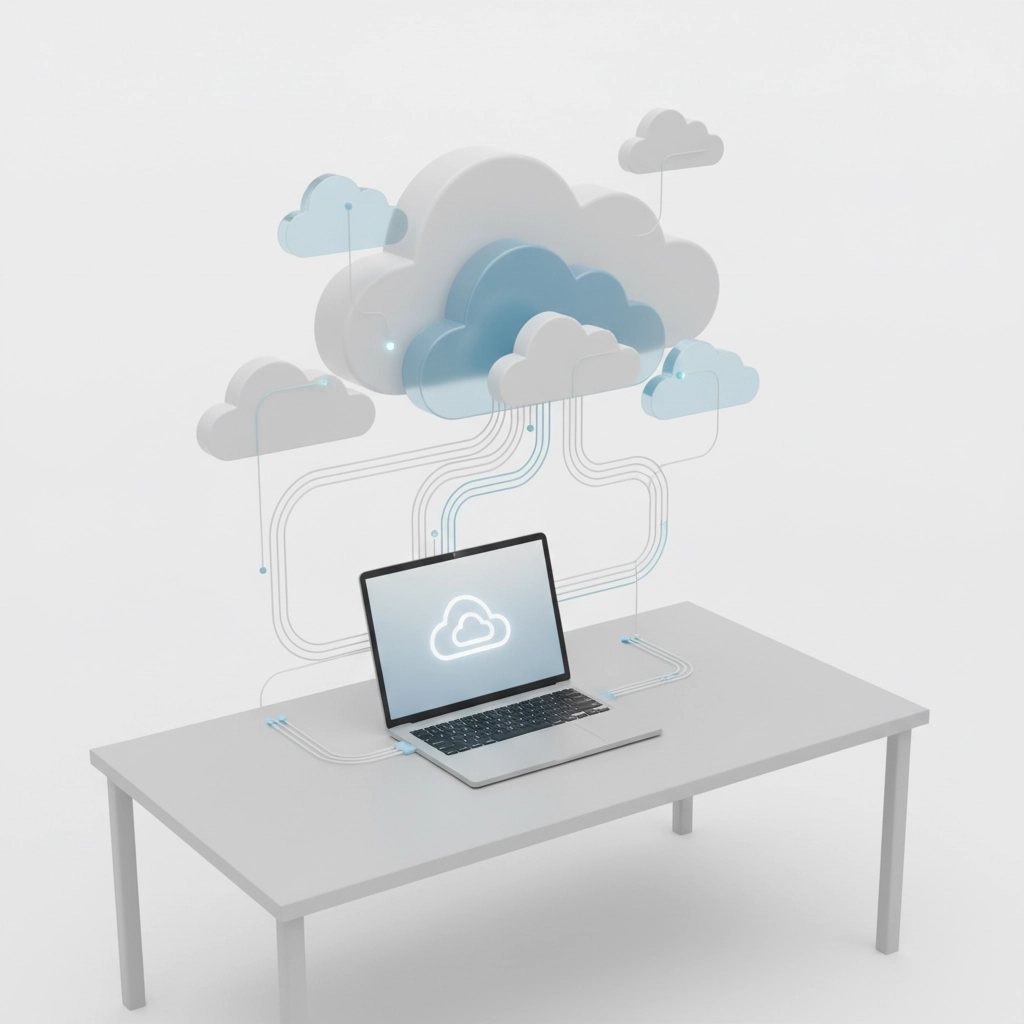
Infrastructure consulting includes network setup, server configuration, cloud migration planning, and ensuring scalable foundations for future growth. Support services cover helpdesk assistance, remote monitoring, on-site technical help, and proactive system maintenance to prevent costly downtime.
Strategic planning involves conducting technology audits, developing roadmaps for system improvements, identifying cost-saving opportunities, and ensuring compliance with UK regulations and industry standards.
Core service areas for small businesses
Network and infrastructure setup
Consultants design and implement network infrastructure tailored to your business requirements. This includes setting up reliable internet connections, configuring wireless networks, establishing secure remote access capabilities, and ensuring proper backup systems.
Cloud migration services help transition from traditional on-premises systems to cloud-based solutions like Microsoft 365, Google Workspace, or specialized industry applications. Consultants evaluate your current systems, plan the migration process, and provide training to ensure smooth transitions.
Cybersecurity and compliance
Security consulting addresses the growing cyber threats facing UK small businesses. Services include risk assessments, implementing multi-layered security measures, setting up firewalls and antivirus protection, and establishing data backup and recovery procedures.
Compliance assistance ensures your business meets relevant UK regulations, including GDPR requirements, industry-specific standards, and cybersecurity frameworks. Consultants help develop policies, procedures, and documentation required for regulatory compliance.
Business efficiency optimization
IT consultants conduct comprehensive reviews of existing systems to identify inefficiencies, redundant processes, and opportunities for automation. They analyze software usage, evaluate licensing costs, and recommend solutions that improve productivity while reducing expenses.
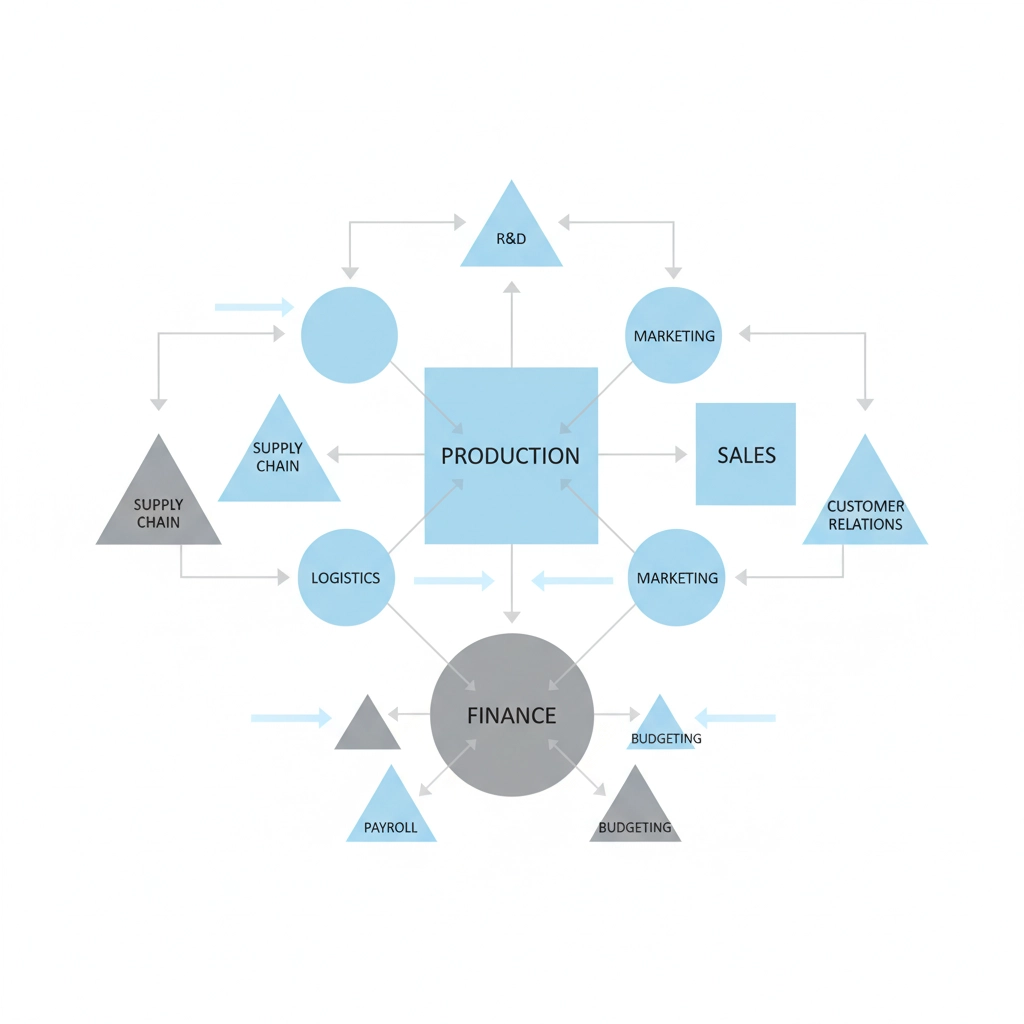
Workflow optimization involves implementing tools that streamline communication, project management, customer relationship management, and financial processes. Consultants ensure these systems integrate effectively and provide measurable improvements to business operations.
Benefits of professional IT consulting
Cost-effective expertise access
Hiring full-time IT staff represents significant expense for small businesses. IT consulting provides access to specialized knowledge on a project basis or through ongoing support arrangements without the overhead costs of permanent employees.
Consultants bring diverse experience from working with multiple businesses, offering insights into industry best practices, proven solutions, and emerging technologies that can benefit your operations.
Scalable solutions for growth
Professional consultants design systems that accommodate business growth without requiring complete overhauls. They consider your expansion plans, projected staff increases, and evolving technology needs when recommending solutions.
Scalable infrastructure prevents the costly mistakes of implementing systems that quickly become inadequate, ensuring your technology investments support long-term business objectives rather than creating bottlenecks.
Risk mitigation and disaster preparedness
IT consultants help identify potential vulnerabilities in your systems and implement preventive measures to avoid costly disruptions. This includes establishing robust backup procedures, implementing security protocols, and creating disaster recovery plans.
Proactive monitoring and maintenance services detect issues before they cause system failures, reducing downtime and preventing data loss that could significantly impact your business operations.

Evaluating your IT consulting needs
Assessing current technology state
Review your existing systems to identify performance issues, security vulnerabilities, outdated software, and inadequate backup procedures. Document recurring technical problems, staff productivity challenges, and areas where technology limits business growth.
Consider your compliance requirements based on your industry, data handling practices, and regulatory obligations. Identify gaps between current security measures and required standards to prioritize consulting services.
Planning for future requirements
Evaluate your business growth projections, planned staff increases, new service offerings, and market expansion goals. Consider how your current technology infrastructure will support these objectives and where improvements are necessary.
Assess emerging technology trends relevant to your industry, such as artificial intelligence applications, advanced cloud services, or specialized software solutions that could provide competitive advantages.
Budget and resource considerations
Determine your available budget for IT improvements, ongoing support services, and technology upgrades. Compare the costs of consulting services against potential savings from improved efficiency, reduced downtime, and better resource utilization.
Consider the time investment required from your staff for technology implementations, training programs, and ongoing system management to ensure realistic project planning.
Selecting the right IT consultant
Evaluating expertise and experience
Look for consultants with demonstrated experience serving UK small businesses in your industry or similar operational environments. Review case studies, client testimonials, and examples of successful projects that align with your requirements.
Verify certifications, technical qualifications, and partnerships with major technology providers. Ensure the consultant stays current with emerging technologies, security threats, and regulatory changes affecting UK businesses.
Service delivery and support models
Evaluate different service delivery options, including project-based consulting, ongoing support contracts, and hybrid arrangements. Consider response times, availability during critical business hours, and escalation procedures for urgent issues.
Review service level agreements, performance metrics, and accountability measures to ensure the consultant can deliver consistent, reliable support that meets your business requirements.

Communication and partnership approach
Choose consultants who communicate clearly, explain technical concepts in business terms, and demonstrate understanding of your industry challenges. Effective consultants act as technology partners rather than just service providers.
Assess their willingness to provide training, documentation, and knowledge transfer to help your staff manage systems effectively. Look for consultants who support your long-term independence rather than creating dependency relationships.
Implementation and ongoing partnership
Project planning and execution
Work with your consultant to establish clear project timelines, deliverables, and success metrics. Ensure proper change management procedures to minimize disruption during implementations and transitions.
Maintain regular communication throughout projects to address issues promptly, adjust plans as needed, and ensure solutions meet your business requirements effectively.
Measuring success and value
Establish baseline measurements for system performance, security incidents, productivity metrics, and operational costs before implementing consulting recommendations. Track improvements over time to validate the value of consulting investments.
Regular reviews with your consultant help identify new opportunities for optimization, address emerging challenges, and plan for future technology requirements as your business evolves.
Small business IT consulting in the UK provides essential technology expertise that helps organizations compete effectively, operate efficiently, and grow sustainably. Professional consultants deliver specialized knowledge, proven solutions, and strategic guidance that would be difficult and expensive to develop internally.
The right IT consulting partnership enables small businesses to leverage enterprise-level technology capabilities while maintaining the flexibility and cost-effectiveness necessary for sustainable growth in competitive UK markets.
