
IT strategy workshops provide managers with essential skills to align technology initiatives with business objectives. These intensive training programs help you develop strategic thinking capabilities, understand emerging technologies, and lead digital transformation initiatives within your organisation.
Understanding IT Strategy Workshops
IT strategy workshops focus on bridging the gap between technical capabilities and business outcomes. You learn to evaluate technology investments, create strategic roadmaps, and communicate technical concepts to senior stakeholders. These workshops typically combine theoretical frameworks with practical case studies and hands-on exercises.
Most workshops target managers transitioning from technical roles to leadership positions, existing IT managers seeking strategic skills, and business leaders responsible for technology decisions. The content addresses real-world challenges you face when managing IT resources, budgets, and teams.

Types of Workshops Available
Residential Intensive Programs
Five-day residential programs offer immersive learning experiences away from daily distractions. IT Leaders runs comprehensive programs in Henley on Thames, covering strategy development, project management excellence, and stakeholder relationship management. These intensive formats allow deep exploration of complex topics with networking opportunities among peers.
Imperial College London provides a five-day Digital Transformation Strategy programme focused on developing and implementing digital strategies. Blackbird Training delivers similar comprehensive courses covering strategy, operations, innovation, and team management for the digital age.
Certificate Programs
Structured certificate programs provide formal recognition of your strategic IT management capabilities. Informa Connect offers Certificate in Strategic IT Manager Training designed specifically for CIOs, IT Directors, and strategic IT managers. The program teaches you to manage IT like a business and define effective strategic plans.
Learning Tree provides ITIL 4 Leader: Digital and IT Strategy Training, elevating ITIL concepts to organisational strategy level. This three-day instructor-led course includes examination vouchers and post-course coaching support.
Workshop-Based Training
Shorter workshop formats focus on specific strategic challenges. Creative Huddle offers carefully-designed strategy workshops engaging key stakeholders in strategic planning processes. These workshops include stakeholder mapping and six-week programs for defining organisational strategy.
Future Processing provides intensive IT Strategy Workshops creating comprehensive strategies through business needs analysis and industry trend evaluation. Excitant delivers strategy facilitation workshops working directly with directors and management teams.
Key Topics Covered
Strategic Planning and Alignment
Workshop content addresses developing IT strategies that support business objectives. You learn to assess current technology capabilities, identify gaps, and create roadmaps for improvement. Sessions cover stakeholder engagement techniques and methods for securing executive buy-in for technology initiatives.
Strategic alignment modules teach you to translate business requirements into technical solutions. You practice creating business cases for technology investments and learn to measure IT value delivery against business metrics.
Technology Leadership
Leadership modules focus on managing technology teams and fostering innovation. You explore communication strategies for explaining technical concepts to non-technical stakeholders. Sessions address change management techniques for technology implementations and methods for building cross-functional collaboration.
Leadership development includes understanding corporate politics for IT managers, building senior-level influence, and developing your leadership brand within the organisation.

Governance and Risk Management
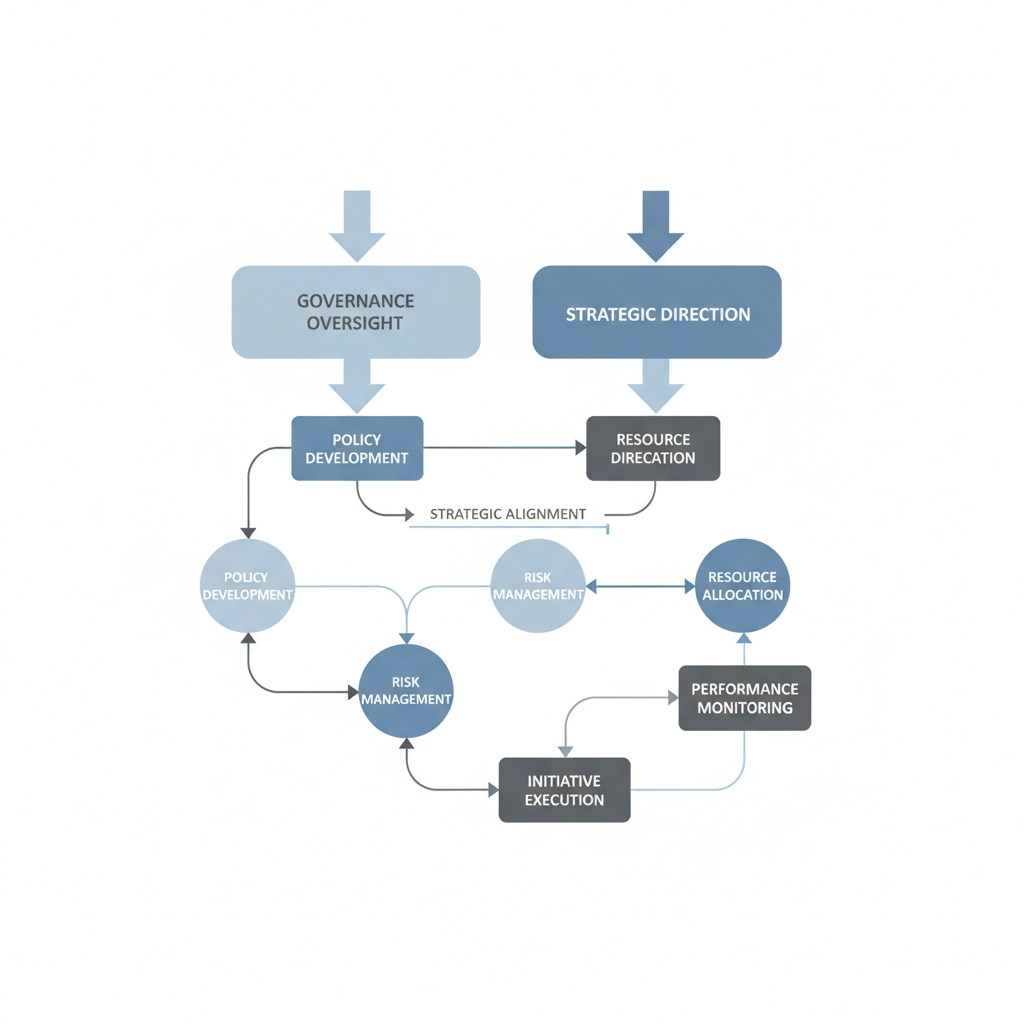
Governance workshops teach you to implement effective IT oversight structures. You learn about frameworks such as COBIT and ITIL for managing IT services and operations. Sessions cover compliance requirements, audit preparation, and risk assessment techniques.
Risk management modules address cybersecurity strategy, data protection requirements, and business continuity planning. You practice developing policies and procedures that balance security requirements with operational efficiency.
Digital Transformation
Digital transformation sessions focus on leading organisational change through technology adoption. You learn to assess digital maturity, identify transformation opportunities, and manage implementation challenges. Content includes emerging technology evaluation and adoption strategies.
Transformation modules cover cultural change management, staff development requirements, and methods for measuring transformation success. You practice developing transformation roadmaps that align with organisational capabilities and constraints.
Choosing the Right Workshop
Assess Your Current Role
Consider your current position and career objectives when selecting workshops. Technical managers transitioning to strategic roles benefit from comprehensive residential programs covering leadership development alongside strategic planning. Existing IT managers may prefer focused workshops addressing specific skill gaps.
Business leaders responsible for IT oversight should prioritise workshops covering technology evaluation, vendor management, and strategic alignment techniques. Consider your organisation's size and complexity when evaluating workshop relevance.
Evaluate Workshop Format
Residential programs provide immersive experiences with peer networking opportunities but require significant time commitment. Virtual workshops offer flexibility but may lack networking benefits. Consider your learning preferences and availability when choosing formats.
Certificate programs provide formal recognition valuable for career advancement. Workshop-based training offers practical skills application but may not provide formal credentials. Evaluate the importance of certification for your career objectives.
Review Provider Credentials
Research workshop providers' industry experience and participant feedback. Look for programs developed by recognised industry experts with practical management experience. Consider provider relationships with professional bodies and industry associations.
Review case studies and participant testimonials to understand workshop outcomes. Consider whether providers offer post-workshop support such as coaching or resource access.
Benefits for Managers
Enhanced Strategic Thinking
Workshop participation develops your ability to think strategically about technology decisions. You learn to evaluate technology investments against business outcomes rather than technical capabilities alone. This strategic perspective improves your value to the organisation and enhances career advancement opportunities.
Strategic thinking skills enable you to anticipate technology trends and prepare your organisation for future challenges. You become more effective at identifying opportunities for competitive advantage through technology adoption.
Improved Communication Skills
Workshops teach you to communicate technical concepts to business stakeholders effectively. You practice translating technology requirements into business language and learn to build support for IT initiatives. These communication skills are essential for securing resources and implementing strategic changes.
Enhanced communication abilities improve your relationships with senior management and increase your influence within the organisation. You become more effective at managing expectations and building consensus around technology decisions.
Network Development
Workshop participation connects you with peers facing similar challenges. These professional networks provide ongoing support and knowledge sharing opportunities. Networking relationships often lead to career opportunities and collaborative problem-solving.
Industry connections developed through workshops keep you informed about best practices and emerging trends. Peer relationships provide valuable perspectives on technology management challenges and solutions.
Implementation Considerations
Workshop Selection Process
Create a shortlist of workshops aligned with your development needs and schedule constraints. Contact providers to discuss content relevance and participant prerequisites. Consider scheduling workshops during periods when you can focus on learning without operational distractions.
Budget for travel and accommodation costs for residential programs. Factor in time away from operational responsibilities when planning workshop attendance. Discuss workshop objectives with your manager to ensure alignment with organisational development goals.
Post-Workshop Application
Plan how you will apply workshop learning within your current role. Identify specific initiatives where new skills can be implemented immediately. Consider sharing key insights with your team to reinforce learning and demonstrate value.
Maintain connections with workshop participants through professional networks or follow-up meetings. Continue learning through additional resources recommended during workshops.

Getting Started
Begin by assessing your current strategic management capabilities and identifying specific development areas. Review available workshops against your learning objectives and schedule constraints. Contact workshop providers to discuss content relevance and participant experience.
Consider starting with shorter workshop formats to evaluate training quality before committing to comprehensive programs. Discuss professional development plans with your manager to secure support for workshop attendance.
Ready to develop your IT strategy capabilities? Contact us to discuss how strategic IT management training can support your professional development goals. Our team can help you identify workshop options aligned with your role and organisational objectives.
