
Penetration testing simulates real-world cyberattacks on your business systems to identify security vulnerabilities before criminals exploit them. For UK SMEs, this controlled security assessment has become essential rather than optional.
Over 40% of UK small and medium enterprises experienced cyberattacks in the past year. The average cost per incident reaches £10,830, with most breaches taking 207 days to identify and an additional 70 days to contain. These statistics highlight why proactive security testing matters for your business survival.
What Penetration Testing Involves
Penetration testing uses the same tools and techniques that cybercriminals employ, but in a controlled environment with your permission. Qualified security professionals attempt to breach your systems through multiple attack vectors.
The process typically examines your network infrastructure, web applications, email systems, and user access controls. Testers document every vulnerability they discover and provide specific remediation steps to address each weakness.

Why SMEs Need Penetration Testing
Criminal hackers specifically target smaller businesses because they perceive them as easier targets. SMEs often lack dedicated IT security teams and comprehensive defence systems that larger corporations maintain.
Your business likely handles sensitive customer data, financial information, or intellectual property that criminals want to steal or hold for ransom. A single successful attack can destroy customer trust, trigger regulatory penalties, and force business closure.
Regular penetration testing identifies these risks before attackers exploit them. This proactive approach costs significantly less than recovering from a successful breach.
Types of Penetration Testing for SMEs
Network Penetration Testing
Network testing examines your internal and external network infrastructure for security gaps. Testers check for unpatched software, misconfigured firewalls, weak passwords, and insecure network protocols.
This testing identifies whether criminals could access your systems remotely or move laterally through your network after gaining initial access.
Web Application Testing
Web application testing focuses on websites, customer portals, and online services your business operates. Testers look for vulnerabilities like SQL injection, cross-site scripting, and authentication bypasses.
Many SMEs underestimate web application risks, but these systems often provide the easiest path for criminals to access your internal networks and databases.
Email Security Testing
Email remains the primary attack vector for cybercriminals targeting SMEs. Testing evaluates your email security controls, spam filtering, and user susceptibility to phishing attacks.
Testers may send simulated phishing emails to your staff to measure how many employees would click malicious links or provide credentials to fake websites.
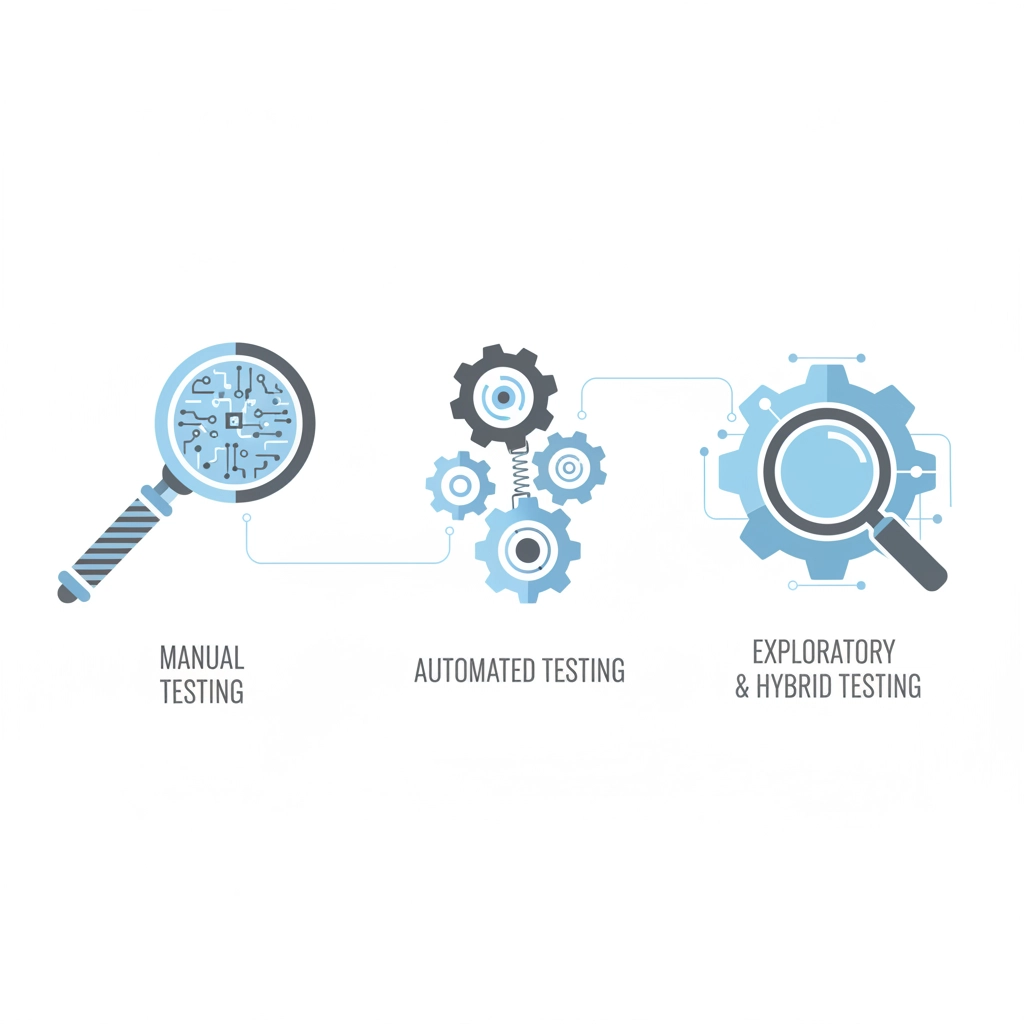
Testing Methodologies Available
Manual Testing
Manual testing involves security experts performing hands-on assessments of your systems. This approach provides the most thorough analysis and can identify complex vulnerabilities that automated tools miss.
Manual testing works best for businesses in regulated industries or those with complex, custom-built systems requiring expert interpretation.
Automated Testing
Automated testing uses software tools to scan your systems for known vulnerabilities quickly and cost-effectively. These tools can process large networks rapidly and provide immediate results.
Automated approaches suit businesses needing regular, basic security assessments without the expense of manual expert analysis.
Hybrid Testing
Hybrid testing combines automated scanning with manual expert review. This balanced approach provides efficient coverage of common vulnerabilities while ensuring expert analysis of complex issues.
Most SMEs benefit from hybrid testing because it balances thoroughness with cost-effectiveness.
Cost Structure for UK SMEs
UK penetration testing providers typically charge £600 to £3,000 per tester per day. A basic external web application test requiring three days of work costs approximately £3,000 to £5,000.
Larger assessments covering multiple systems and networks scale proportionally. Many providers now offer monthly subscription plans starting around £500 per month for continuous monitoring and regular testing.
Consider the testing cost against potential breach expenses. The average SME breach costs exceed £10,000, making even comprehensive annual testing a sound financial investment.

Compliance and Regulatory Requirements
Many UK businesses must demonstrate regular security testing to meet compliance obligations. GDPR requires appropriate technical measures to protect personal data, which penetration testing helps verify.
Industry-specific regulations often mandate penetration testing. Payment card processors must comply with PCI DSS standards, which require annual testing. Healthcare organizations need to meet NHS security standards that include regular vulnerability assessments.
ISO 27001 certification requires systematic security testing as part of information security management. Cyber Essentials certification may also benefit from penetration testing results to demonstrate security controls effectiveness.
Choosing the Right Testing Provider
Select providers with CREST accreditation, which indicates adherence to UK penetration testing standards and professional practices. CREST-accredited companies maintain qualified staff and follow established methodologies.
Look for providers offering clear, actionable reports rather than just listing problems. Quality reports include specific remediation steps, risk ratings, and business impact assessments for each vulnerability discovered.
Consider whether you need one-time testing or ongoing security monitoring. Many SMEs benefit from quarterly or annual testing schedules to maintain continuous security visibility.
Verify that your chosen provider carries appropriate professional indemnity insurance and maintains strict confidentiality agreements to protect your business information.

Preparing for Penetration Testing
Define the scope of testing clearly before beginning. Specify which systems, networks, and applications should be included and which should be excluded from testing activities.
Schedule testing during low-activity periods to minimize business disruption. Some testing activities may temporarily slow network performance or trigger security alerts.
Inform key staff about the testing schedule to avoid confusion if they notice unusual network activity or receive test phishing emails.
Prepare a contact list of technical staff who can provide system access or answer questions during the testing process.
Acting on Test Results
Prioritize vulnerability remediation based on risk ratings and potential business impact. Address critical vulnerabilities immediately, especially those providing direct access to sensitive data or critical systems.
Create a remediation timeline with specific deadlines for addressing each identified issue. Assign responsibility for each fix to appropriate technical staff or external providers.
Document all remediation activities and verify that fixes actually resolve the identified vulnerabilities. Consider retesting critical areas after implementing major security improvements.
Use test results to inform your broader cybersecurity strategy and budget planning for the following year.
Building Ongoing Security
Penetration testing provides a snapshot of your security posture at a specific point in time. Combine regular testing with continuous monitoring, staff training, and security policy updates to maintain robust protection.
Consider implementing the security recommendations from your penetration test reports to strengthen your overall security framework. Many vulnerabilities result from configuration issues or missing patches that regular maintenance can prevent.

Getting Started
Contact qualified penetration testing providers to discuss your specific requirements and obtain quotes. Most providers offer initial consultations to assess your needs and recommend appropriate testing approaches.
Schedule your first penetration test during a period when technical staff are available to support the testing process and implement any urgent fixes discovered.
Plan for annual or quarterly testing schedules to maintain ongoing visibility into your security posture as your business and technology environment evolves.
Regular penetration testing transforms from a compliance checkbox into a strategic security investment that protects your business reputation, customer trust, and financial stability.
Related Service: Manufacturing IT Services — Learn how Bailey Associates can help your manufacturing business.
