
Cloud security solutions protect your business data and applications when they're stored or accessed through cloud services. For UK small businesses, these solutions combine enterprise-grade security with affordable, scalable pricing that grows with your company.
Moving to the cloud doesn't mean compromising on security. The right cloud security solution provides better protection than most small businesses can achieve on their own, while reducing costs and complexity.
Why UK small businesses need cloud security
Small businesses face the same cyber threats as large corporations, but with fewer resources to defend themselves. Cybercriminals specifically target smaller companies because they often have weaker security measures in place.
Cloud security solutions level the playing field. Major cloud providers invest billions in security infrastructure and employ specialized teams that most small businesses could never afford independently. When you use their services, you benefit from this enterprise-level protection.
The shift to remote and hybrid working makes cloud security even more critical. Your team needs secure access to business data from home, client sites, and the office. Cloud solutions provide this flexibility while maintaining security standards.
Types of cloud security solutions
Public cloud security
Public cloud services like Microsoft 365, Google Workspace, and AWS provide shared infrastructure with built-in security features. These solutions offer excellent value for money and are ideal for most small businesses.
Key advantages include automatic updates, 24/7 monitoring, and enterprise-grade security at a fraction of the cost of building your own infrastructure. You share resources with other customers, but your data remains isolated and protected.
Private cloud security
Private cloud solutions provide dedicated infrastructure exclusively for your business. This option delivers maximum control and customization but comes with significantly higher costs.
Private clouds make sense for businesses with specific compliance requirements or those handling extremely sensitive data. However, most UK small businesses find public cloud solutions meet their needs perfectly.
Hybrid cloud security
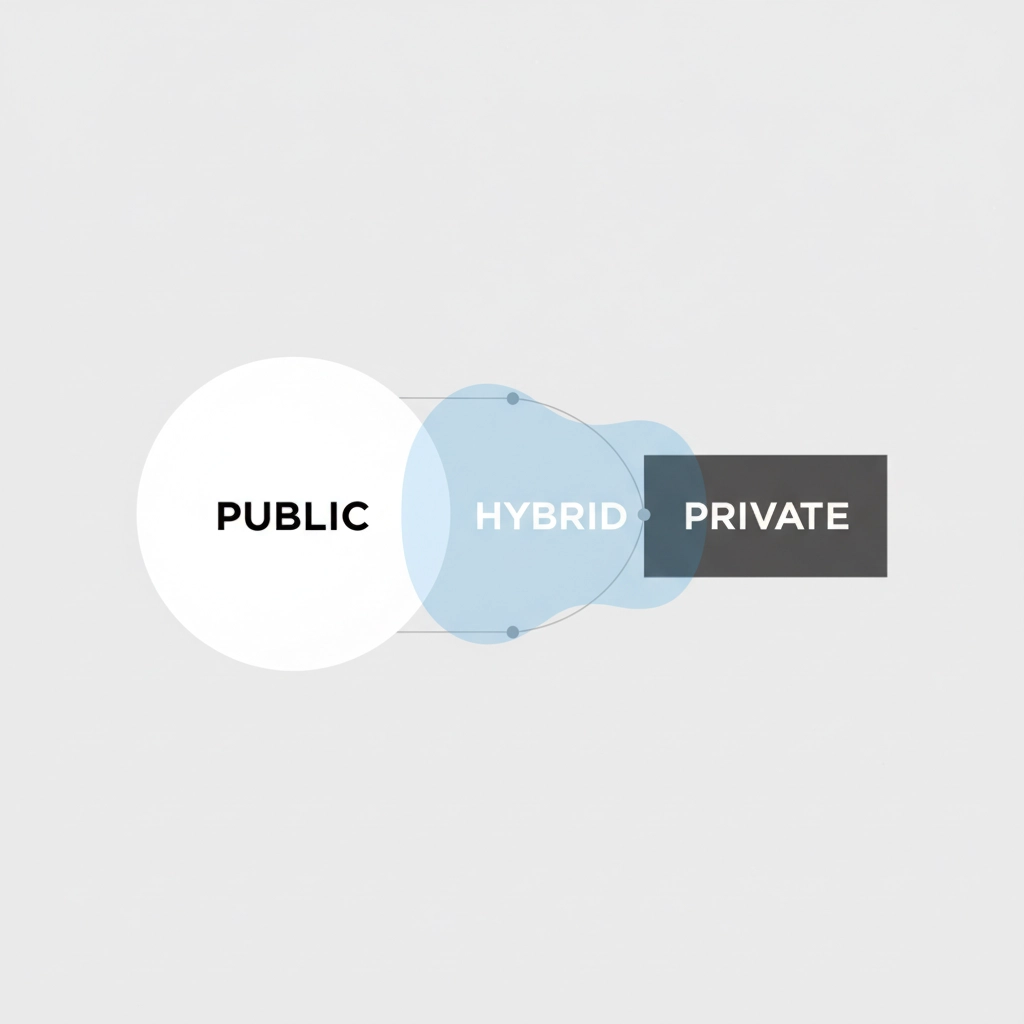
Hybrid approaches combine public and private cloud elements. You might keep highly sensitive data on private infrastructure while using public cloud services for general operations.
This strategy provides flexibility and can be cost-effective for businesses with mixed requirements. However, hybrid setups require more technical expertise to manage effectively.
Essential security features to look for
Data encryption
Choose providers that encrypt your data both at rest (stored on their servers) and in transit (moving between your devices and the cloud). This scrambles your information into unreadable code that unauthorized users cannot access.
Look for AES-256 encryption as the minimum standard. This military-grade encryption would take billions of years to crack with current technology.
Multi-factor authentication
Multi-factor authentication (MFA) adds extra security layers beyond passwords. Users must provide additional verification like a code from their phone or biometric data.
This simple measure prevents most account compromises, even when passwords are stolen or guessed. Enable MFA for all user accounts, especially administrators.
Access controls and permissions
Proper access management ensures users only see data they need for their jobs. Regular permission reviews become crucial when staff change roles or leave the company.
Look for solutions that allow granular permission settings and provide easy-to-use management interfaces. You should be able to quickly grant or revoke access without technical expertise.
Backup and disaster recovery
Automated backups protect against data loss from accidents, hardware failures, or cyberattacks. Your cloud security solution should include regular, tested backups with quick recovery options.
Verify that backups are stored in geographically separate locations. This ensures you can recover data even if one data center experiences problems.
UK compliance and legal requirements
GDPR and Data Protection Act 2018
UK businesses must comply with GDPR and the Data Protection Act 2018 when processing personal data. Your cloud security solution must support these compliance requirements.
Choose providers that offer UK-based data centers and can demonstrate GDPR compliance. They should provide data processing agreements and support your right to audit their security measures.
Industry-specific regulations
Different sectors have additional compliance requirements. Financial services firms must meet FCA guidelines, while healthcare organizations need to comply with NHS Digital standards.
Verify that your chosen solution supports any industry-specific regulations that apply to your business. Look for relevant certifications like ISO 27001 or Cyber Essentials Plus.

Data sovereignty
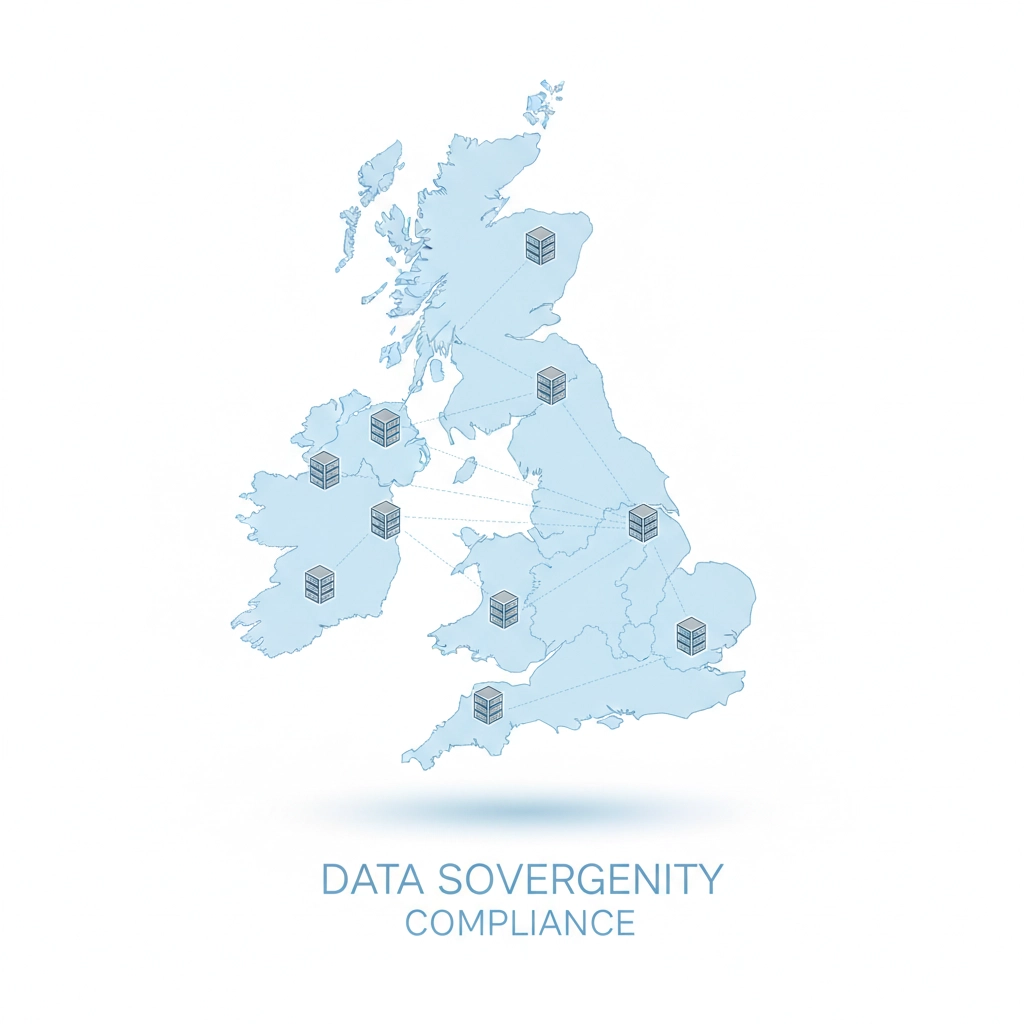
Using UK-based data centers ensures your information remains subject to UK law and doesn't get caught up in international legal disputes. This is particularly important for businesses handling sensitive customer data.
Some global providers offer specific UK regions for data storage. Confirm that your data will remain within the UK unless you specifically authorize transfers elsewhere.
Implementation steps for small businesses
Assess your current security posture
Start by evaluating your existing security measures and identifying gaps. Consider conducting a professional IT security review to understand your current vulnerabilities.
Document all the data and applications you need to protect. This inventory helps you choose the right cloud security solution and ensures nothing gets overlooked during migration.
Choose the right solution
Select a cloud security provider based on your specific needs, budget, and compliance requirements. Don't just focus on price – consider the total cost of ownership including training, support, and potential security incidents.
Evaluate providers' track records, customer support quality, and security certifications. Read case studies from similar businesses to understand real-world performance.
Plan your migration
Develop a phased migration plan that minimizes business disruption. Start with less critical systems to gain experience before moving mission-critical data and applications.
Ensure your team receives proper training on new security procedures. The best security solution is only as strong as the people using it.
Monitor and maintain
Cloud security isn't a set-and-forget solution. Regularly review access permissions, monitor security logs, and stay informed about new threats and features.
Schedule periodic security assessments to ensure your solution continues meeting your needs as your business grows and threats evolve.
Working with managed service providers
Many small businesses benefit from partnering with managed service providers (MSPs) who specialize in cloud security. These experts can design, implement, and maintain your security solution without requiring full-time in-house technical staff.
A virtual IT director service provides strategic oversight while MSPs handle day-to-day technical management. This combination gives you executive-level IT leadership at a fraction of the cost of hiring full-time staff.
Look for MSPs with relevant certifications and experience working with businesses in your sector. They should be able to explain technical concepts in business terms and provide clear reporting on your security posture.
Cost considerations and budgeting
Cloud security solutions typically use subscription pricing that scales with your business size. This predictable cost structure makes budgeting easier compared to traditional IT infrastructure with large upfront investments.
Factor in training costs, potential productivity dips during implementation, and ongoing management time. While cloud solutions reduce many costs, they require investment in staff education and process changes.
Consider the cost of not having adequate security. A single data breach can cost far more than several years of cloud security subscriptions, not to mention the damage to your reputation and customer trust.

Next steps for your business
Start by evaluating your current security needs and identifying the most critical data and systems requiring protection. This assessment provides the foundation for selecting appropriate cloud security solutions.
Research potential providers and request demonstrations of their security features. Ask specific questions about UK compliance, data location, and support services.
Consider engaging with security professionals who can provide objective advice on your options. An independent assessment ensures you choose solutions that truly meet your business needs rather than what vendors want to sell.
The investment in proper cloud security solutions protects your business, customers, and reputation while enabling growth and flexibility. Take action now to secure your digital assets before they become targets for cybercriminals.
For expert guidance on selecting and implementing cloud security solutions tailored to your business needs, contact Bailey & Associates today.
